Anthropic Panama: Corporation Destroying 11,000 Books a Day to Train AI
Anthropic Panama, book destruction project, mass scanning, text quality issues, new knowledge sources for AI

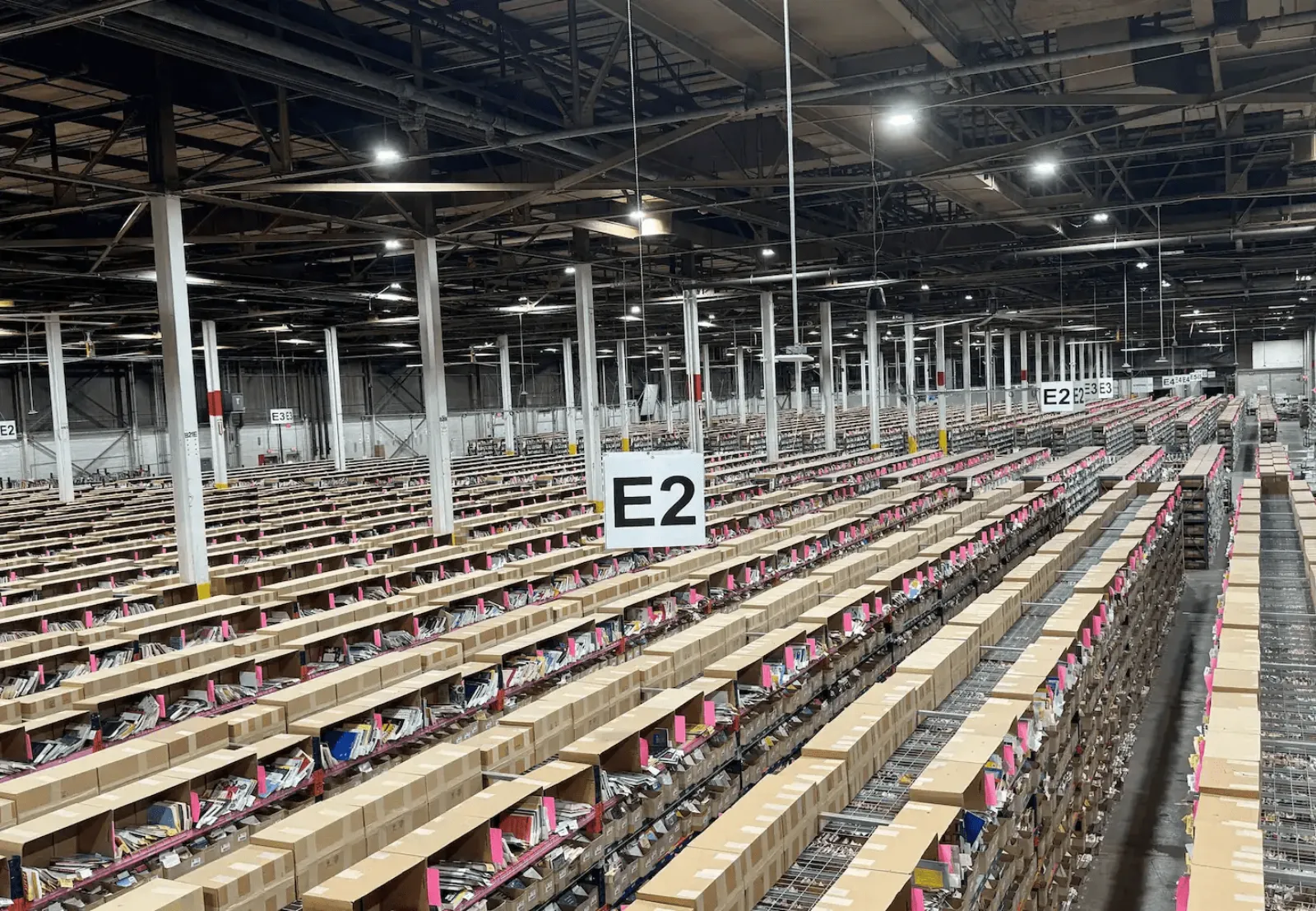
A new bottleneck for AI development is the depletion of high-quality, human-written text on the internet. This has led Anthropic to launch Project Panama. They are mass-purchasing rare physical books, aggressively scanning them, destroying them, and converting them into "feed" for their models.
The Internet is no longer infinite
Large language models were made possible by the internet. Billions of webpages, Wikipedia articles, scientific papers, GitHub repositories, forums, news, technical documentation, and books formed the foundation for GPT, Claude, Gemini, and other systems. For a long time, it seemed this volume would last forever.
However, the major labs have simultaneously hit an unexpected wall. A significant portion of the open internet has already been used to train previous generations of models. Furthermore, the internet is ceasing to be exclusively human. Today, a massive amount of new content is being generated by neural networks themselves. For AI developers, this is turning into a fundamental problem.
Researchers call this effect model collapse. If new models are trained primarily on text created by previous models, quality begins to steadily decline. Rare knowledge disappears, linguistic diversity shrinks, statistical errors are amplified, and the models themselves become increasingly homogenized.
Project Panama: Silicon Valley's most macabre library
During legal proceedings against Anthropic, internal company documents were made public. They described a project coden't Panama.
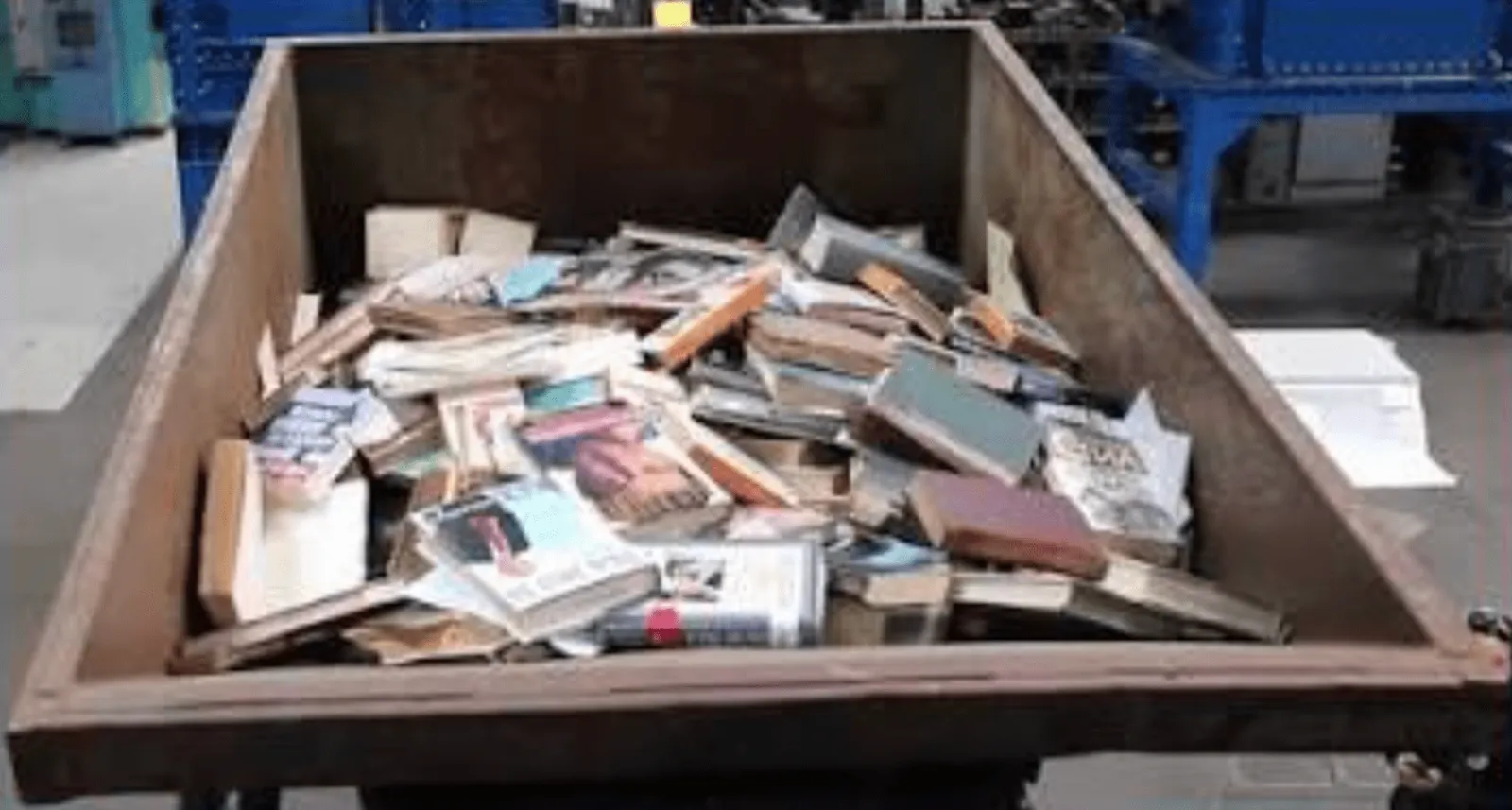
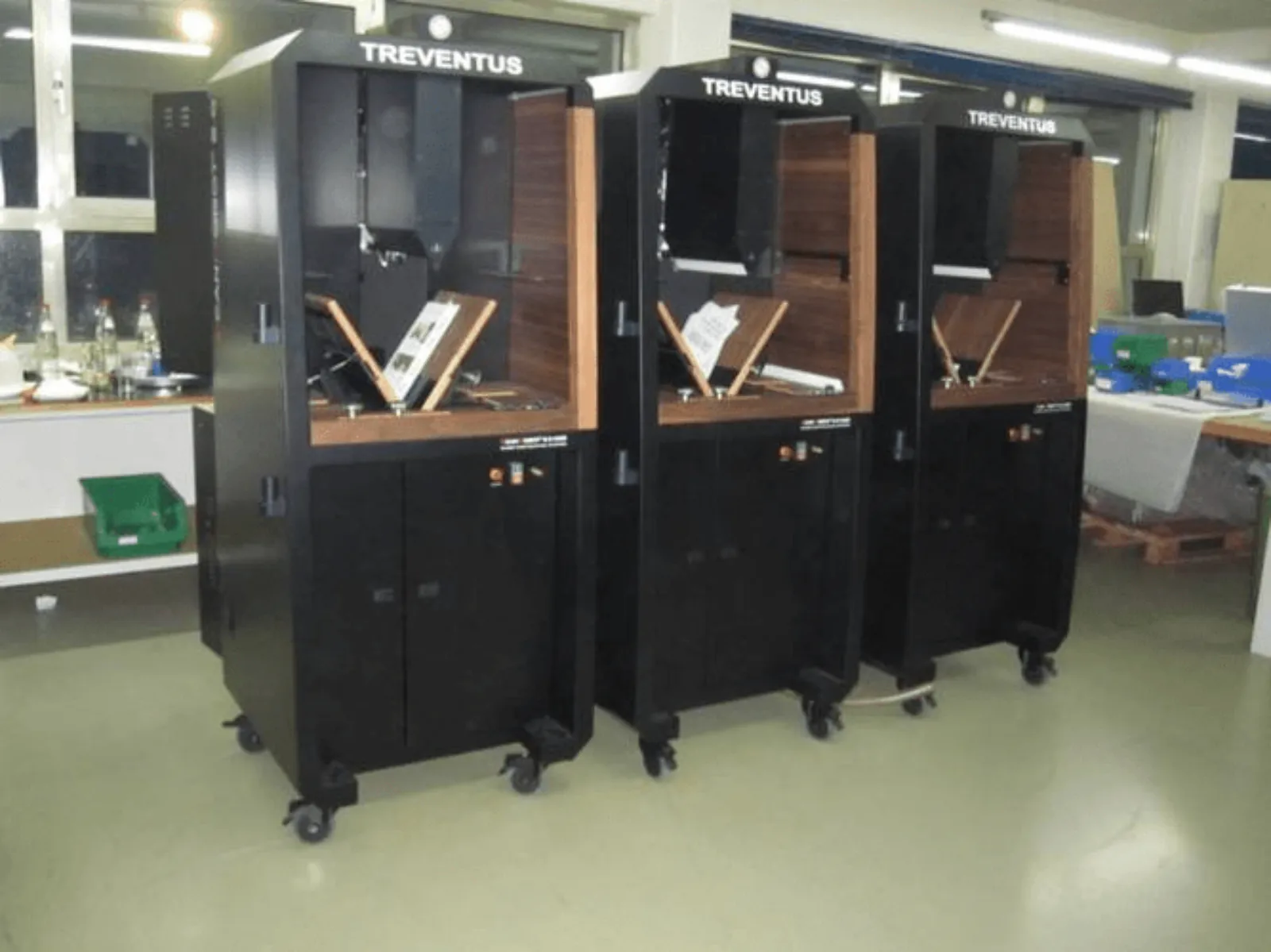
Its goal was simple: acquire as many physical books as possible. The books then underwent an industrial-scale destructive scanning process. The binding was removed by a specialized guillotine, the pages were separated, and fed into high-speed automated scanners capable of digitizing hundreds of pages per minute. Once this was done, it was impossible to restore the book.
Internal documents featured a phrase that immediately went viral in global media: "destructively scan all the books in the world." The phrase itself sounds like a quote from a dystopian novel. The physical book is being stripped of its status as a cultural object.
Project Panama materials include a contractor's proposal to scan between 500,000 and 2 million books within six months. That is 11,000 books per day.
Why are physical books more valuable than digital ones?
Over the last two years, major AI companies have been literally buried under lawsuits. Authors, publishers, and media companies are accusing OpenAI, Meta, Anthable, and others of using pirated libraries and unlicensed digital copies of their works.
A physical book allows companies to bypass much of this risk. A company purchases a copy completely legally. They create their own digital copy. They use it exclusively within the model training process. They do not distribute the original text.
This is precisely the logic that forms the basis of Anthropic's defense.
And, crucially, a US federal court largely agreed with this argument. The judge concluded that such use could be considered "transformative use" and fall under the fair use doctrine, since model training represents a new way of using a work rather than replacing the market for the books themselves.
However, the court separately emphasized that using pirated digital libraries remains a violation of the law.
As a result, buying a book, cutting it up, destroying it, and using it for AI training can, under certain conditions, be entirely legal.
A new industry has emerged that almost no one is talking about
Investigations have shown that Project Panama was far from the only project of its kind. A new ecosystem of companies is emerging around AI labs, specializing in the search and supply of physical books specifically for model training.
One such company is ISBNdb.
The company openly offers AI developers the supply of books that are missing from popular digital datasets. Their website explicitly mentions working with AI labs and finding unique sources of knowledge.
At the same time, ISBNdb representatives admit that most of their clients operate under strict non-disclosure agreements.
One book collector told journalists that starting in April 2026, the volume of rare book sales grew from about twenty copies per week to several hundred. However, buyers were almost entirely uninterested in the content. The primary criteria were the presence of an ISBN and the likelihood that the text had not been previously used in the training of modern models.
Data has become the new oil
Companies are beginning to hunt for physical libraries, professional journals, technical manuals, scientific monographs, and specialized literature.
While major corporations previously competed for computing power, they are now beginning to compete for exclusive access to human knowledge.
An uncomfortable question
What will happen in five years, when most available physical books have already been digitized? Where will the industry look for new data? Closed scientific archives?
There is no answer yet. But the trend is already becoming quite clear.
This is why the story of book destruction looks like the first symptom of a much larger process.
Perhaps we are witnessing a moment where the primary constraint on the development of artificial intelligence is no longer technology, but humanity's ability to create new knowledge faster than machines can consume it.
Translated from Russian. Original on vc.ru: Anthropic Panama: корпорация уничтожает 11 000 книг в день ради обучения ИИ