ASTRA Robot Performs First In-Orbit Assembly: The Dawn of a New Era in Orbital Construction
ASTRA robot assembled a space antenna, launched from Vandenberg Base, autonomous orbital assembly, DARPA NOM4D technologies, the future of orbital construction

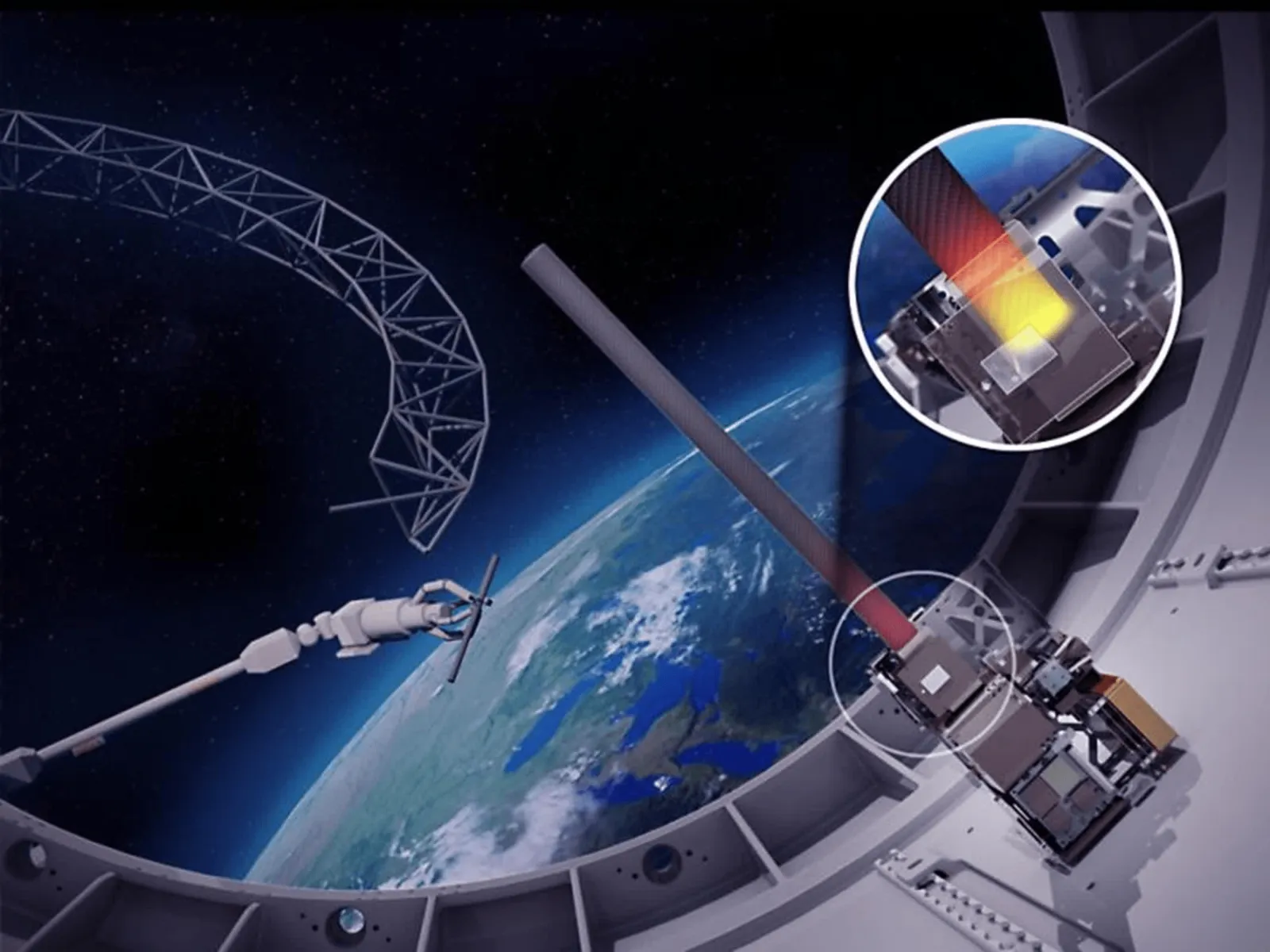
Scientists at the California Institute of Technology (Caltech) have demonstrated the first-ever robotic assembly of a structure directly in orbit. The ASTRA spacecraft connected individual frame elements for a future space antenna without any astronaut intervention.
The experiment marks a significant step toward creating space infrastructure that can be assembled directly in orbit. Today, the size of satellites, telescopes, and antennas is largely limited by the diameter of the rocket fairing. Engineers are forced to design complex foldable structures that deploy only after launch. ASTRA offers a different approach: delivering a compact kit of parts into space and assembling them into structures of virtually any required scale.
How did the robot reach orbit?
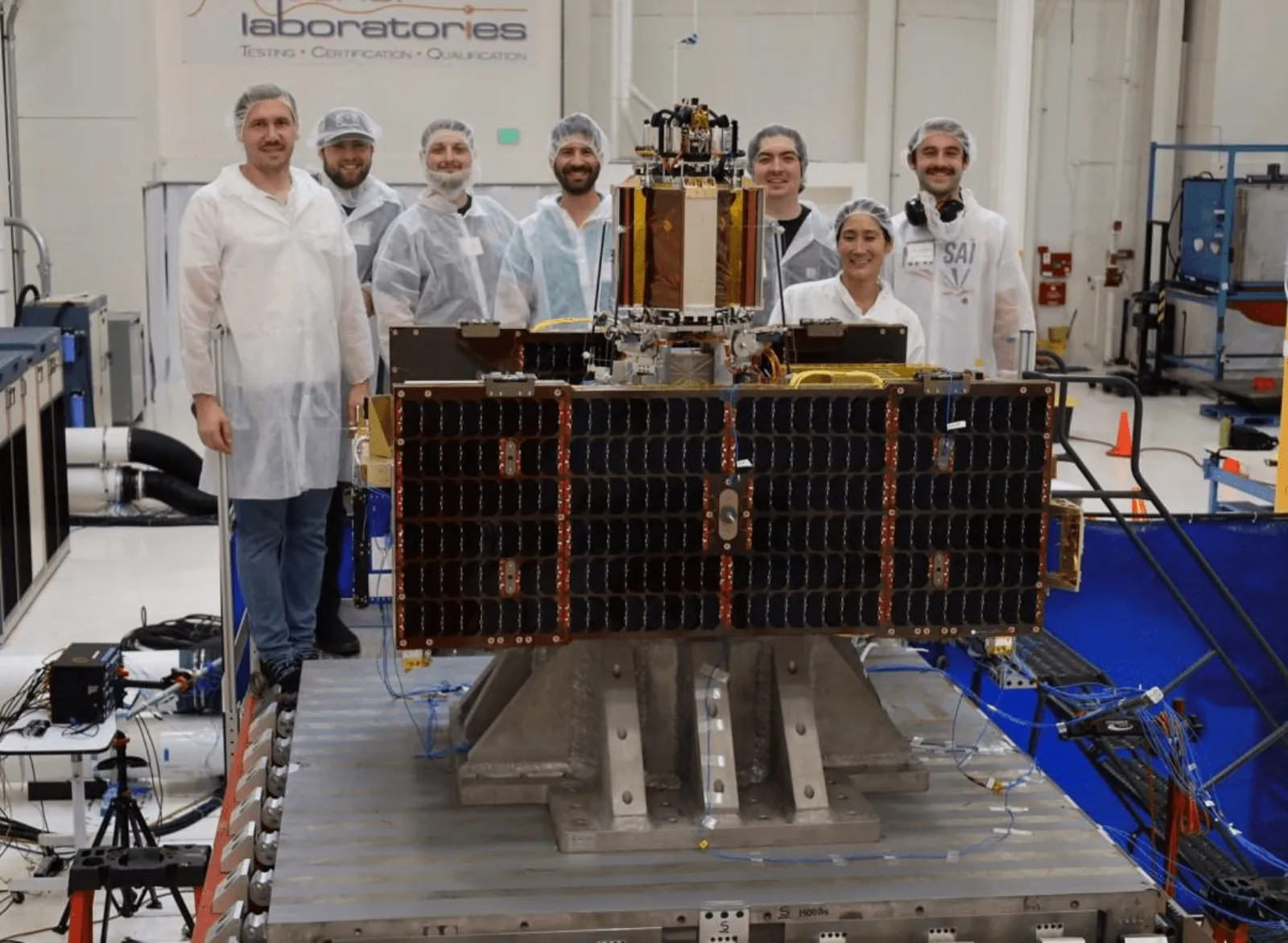
On March 3 and 2026, ASTRA launched into space from Vandenberg Base in California. The spacecraft was one of ten payloads placed on the Vigoride 7 orbital platform by Momentus. The platform itself was delivered to orbit by a SpaceX rocket as part of the Transporter 16 mission.
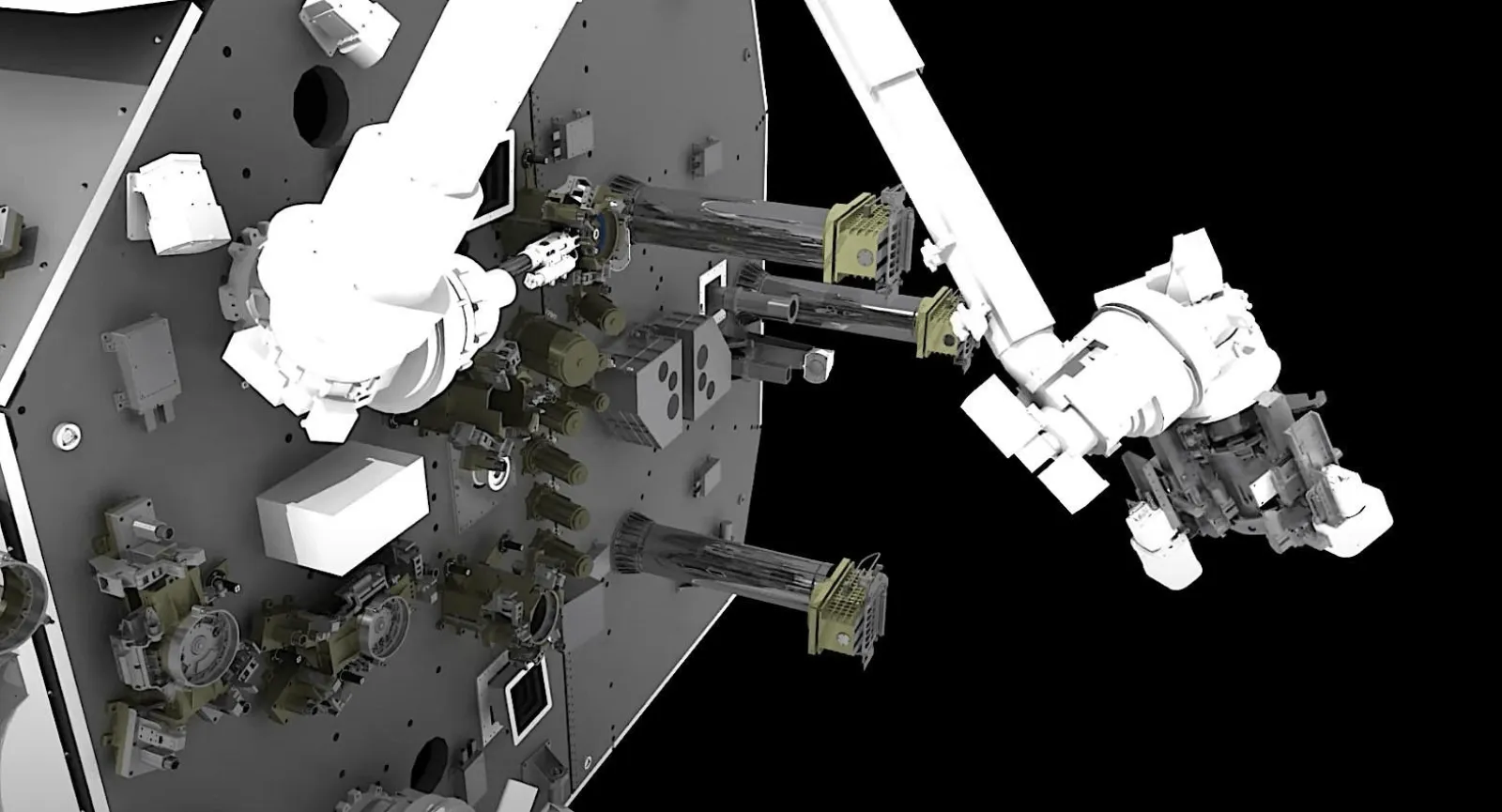
The robotic installation occupied about one cubic meter in volume. It contained a manipulator arm, two pre-assembled frame segments, motorized material feeders, and a supply of parts for further construction. The structure had to withstand the vibrations and G-forces of launch and then deploy under microgravity conditions.
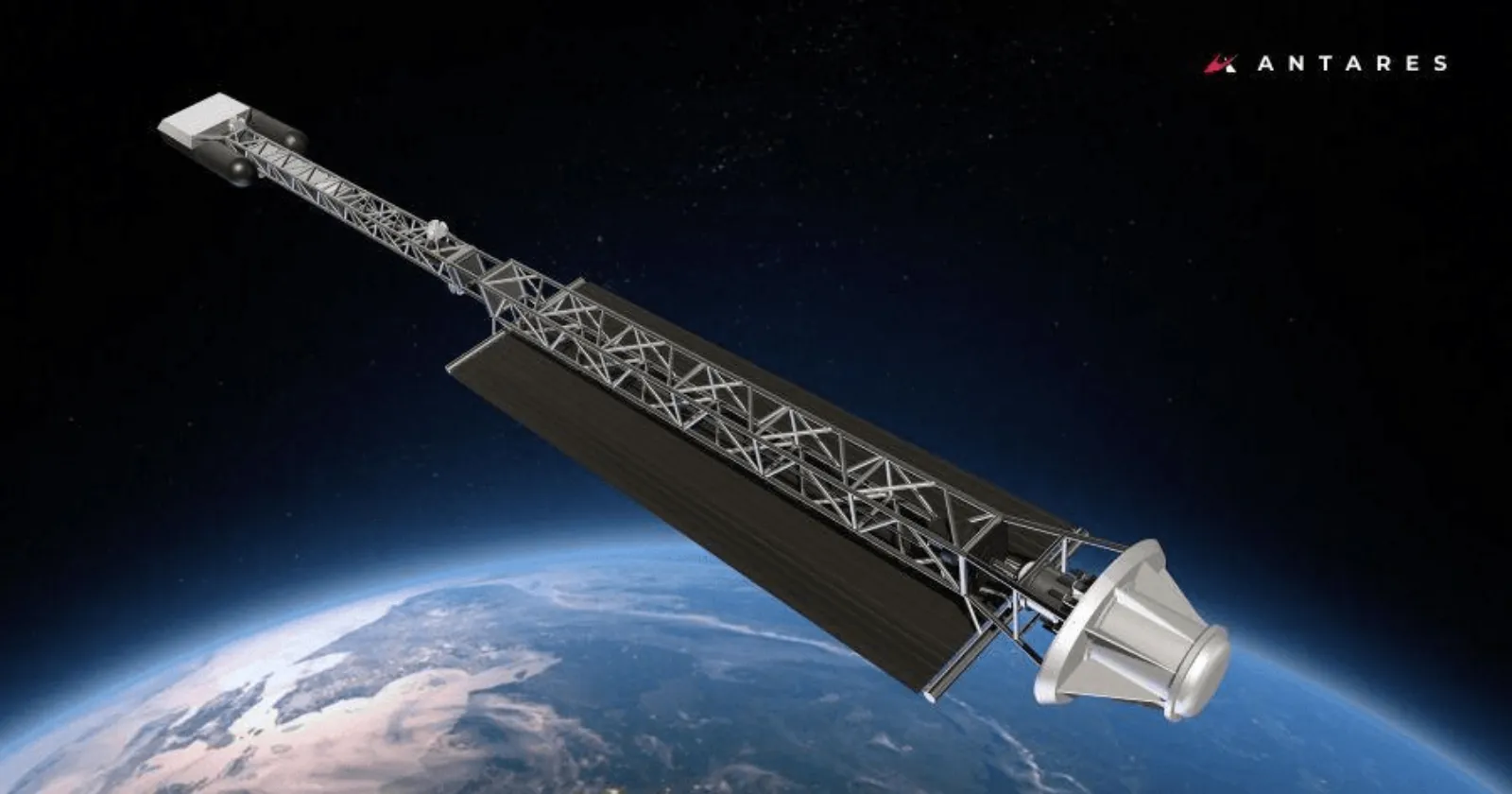
After reaching orbit, engineers remotely released the mechanisms from their transport locks, extended the two ready segments, and began assembling the third. This specific stage was the mission's primary achievement: the robot formed a new element of a space structure from individual components for the first time outside of Earth's orbit.
How does the ASTRA space builder work?
At the core of ASTRA is a portal robotic system capable of moving the manipulator arm along three mutually perpendicular axes. This mechanism resembles an industrial machine or a 3D printer, but instead of depositing material, the robot picks up finished parts, moves them, and connects them into a spatial framework.
The construction utilizes lightweight composite fiber tubes and aluminum connectors. Components are stored in specialized motorized dispensers, from which the manipulator sequentially extracts and positions them. Once a section is assembled, the system can extend the completed part outward, clearing the workspace for the next stage.
The project also includes the installation of a thin reflective surface made of perforated Kapton film. It forms two tensioned mesh surfaces, which are held in the required geometry by a spring system. This approach allows for the creation of large reflectors with less mass compared to some traditional metal mesh designs.
The fully assembled antenna was intended to have a diameter of approximately 1.4 meters and consist of eleven repeating segments. However, during the orbital experiment, the team managed to assemble only the third segment. By their own estimates, the researchers are unlikely to complete the entire structure before the mission ends in December.
Autonomy with Human Control
While the experiment is described as autonomous robotic assembly, ASTRA did not operate entirely independently of operators. Engineers on Earth sent commands, monitored operations, and analyzed images received from onboard cameras. The spacecraft is equipped with eleven cameras, allowing for monitoring of the mechanisms and the construction process.
To achieve this, researchers created a second ASTRA unit on Earth. Whenever a malfunction or unforeseen situation occurred in orbit, engineers would replicate it on the laboratory setup, test potential solutions, and only then send new commands to the space robot.
Thus, the main innovation lies not in the total removal of humans from the process, but in the ability to perform mechanical assembly in orbit without the presence of astronauts. In the future, such systems could become increasingly autonomous, especially if equipped with computer vision, motion planning, and automated error detection algorithms.
Why can't we just launch large structures from Earth?
Modern spacecraft are limited by the capabilities of rockets. Even the most powerful launch vehicles have a finite payload fairing volume, so large telescopes, antennas, and solar panels must be folded prior to launch.
The James Webb Space Telescope is a prime example. Its primary mirror, 6.5 meters in diameter, consists of individual segments, and its massive sunshield had to be folded into a compact design that then deployed in space through a complex sequence of operations.
For future observatories with mirrors tens or hundreds of meters in diameter, this approach becomes extremely difficult. The mass of deployment mechanisms, reliability requirements, and the risk of individual component failure all increase.
Robotic assembly allows for a fundamental change in design principles. Instead of creating a single spacecraft that must fit inside a rocket, standardized parts can be delivered and connected once in orbit. In the long term, this will enable the construction of structures significantly larger than any existing payload fairing.
From Space Antennas to Kilometer-Scale Structures
ASTRA was developed as part of the DARPA NOM4D program, which stands for Novel Orbital and Moon Manufacturing, Materials, and Mass efficient Design. Its goal is to develop technologies for manufacturing and assembling extremely large structures in space.
Program lead Andrew Detor explained that
large-scale structures refer to objects measuring hundreds of meters or even kilometers. Currently, humanity lacks the practical technologies to create such structures in orbit.
One of the most obvious applications involves space telescopes. The larger the mirror or reflective surface, the more light or radio signals the system can collect. Massive orbital observatories could allow astronomers to explore more distant objects and obtain images with fundamentally new resolutions.
Another direction will be satellite communication systems. Large antennas can provide high sensitivity and signal directionality, which is particularly important for communicating with remote spacecraft and organizing new communication networks.
<p>Finally, such technologies could potentially be useful for constructing orbital solar power plants. These systems involve placing large arrays of solar panels in space, with subsequent energy transmission to Earth. While this direction remains experimental, the ability to assemble structures directly in orbit removes one of its fundamental constraints.</p>',
The team, led by Caltech professor Sergio Pellegrino, views the mission as a proof of concept rather than a finished technology. Although they were unable to assemble the full antenna, the researchers gained practical experience that simply cannot be replicated in a laboratory setting alone.
Data regarding how the mechanisms behave in space, how individual components interact, and the types of malfunctions that arise are particularly valuable. It is precisely these kinds of experiments that allow us to move beyond computer models and ground tests toward creating reliable orbital manufacturing systems.
In the future, similar robots could serve as the foundation for constructing large-scale scientific observatories, communication platforms, solar power plants, and other infrastructure. This doesn't necessarily mean humanoid machines; for most construction tasks, specialized manipulators and automated assembly platforms may prove more efficient than versatile humanoid robots.
If you are interested in AI, technology, and the future—welcome to my channel to discuss and share updates.
Translated from Russian. Original on vc.ru: Робот ASTRA впервые собрал конструкцию в космосе: начало новой эры орбитального строительства