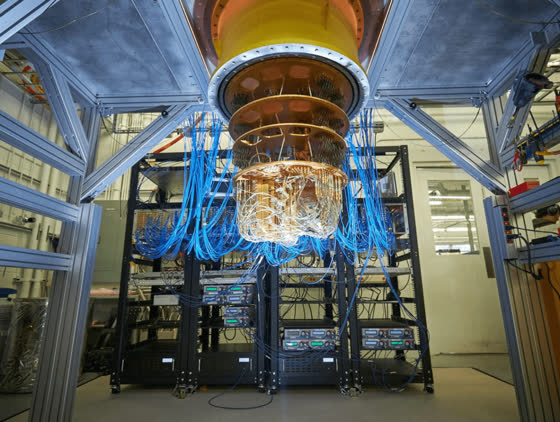
Black Mirror: A distributed supercomputer made of millions of Teslas running human emulators
Digital twins of office workers, process automation, Macrohard, computer vision technologies, Tesla distributed computing

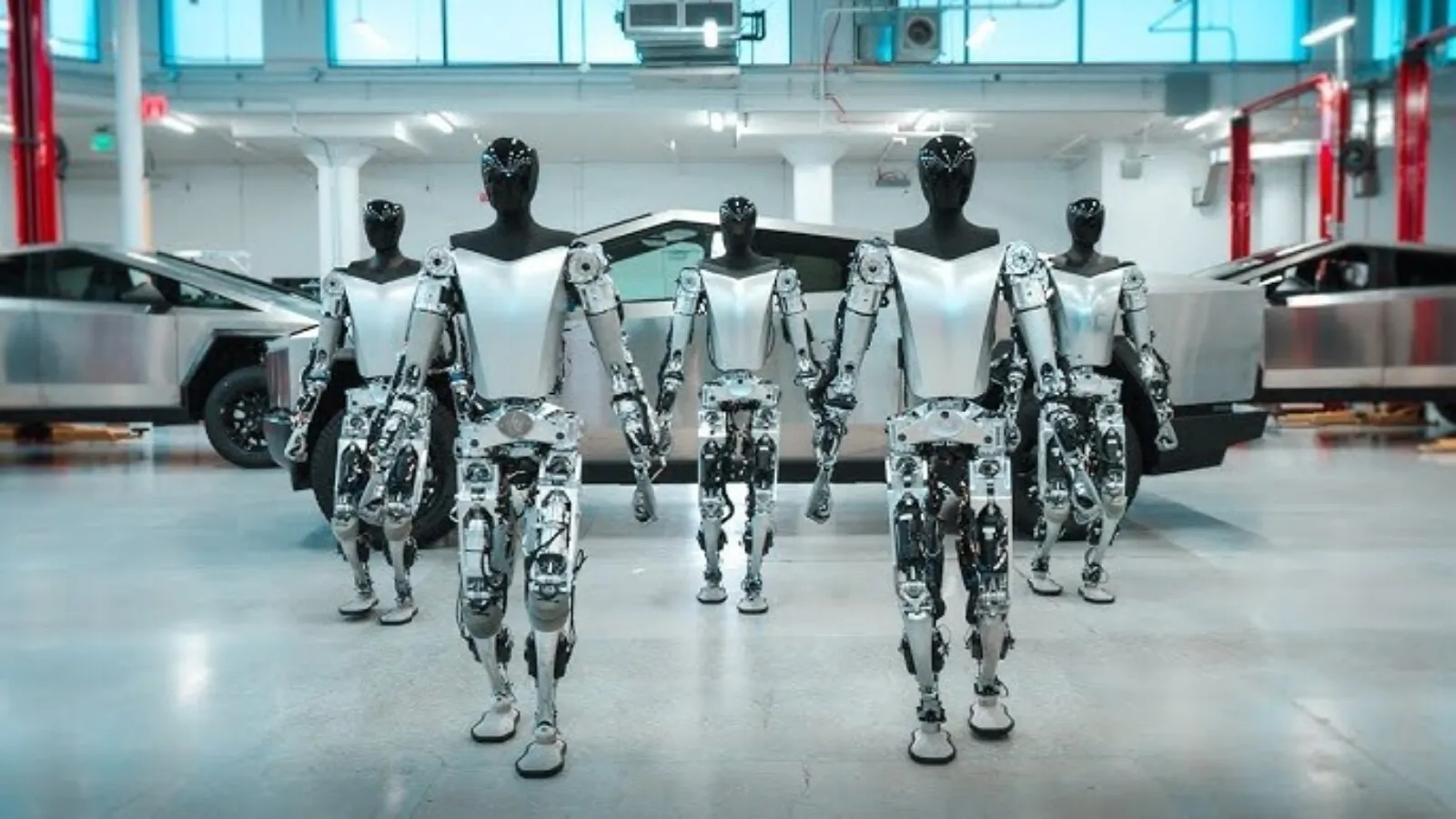
The Macrohard project describes the next logical step for AI: not assistants or agents, but digital twins of office workers that replicate a real person's actions at a computer.
The key idea is training not on text and APIs, but on raw actions. Screen, mouse, keyboard, switching tabs. This kind of AI doesn't integrate into software; it replaces the human in their place. This is a fundamentally new level of automation.
Who are the competitors here?
Looking at it soberly, there are almost no direct competitors.
- Apple. Strong in hardware and ecosystem, but philosophically, they treat AI as a product feature rather than a digital person.
- Sony. They have an interest in AI, especially in gaming and media, but office automation is a side market for them.
- OpenAI and Google are conceptually the closest, but they lack Musk's unique trump card: distributed computing across millions of physical devices.
How realistic is this, and when will it happen?
Technically, prototypes already exist. Computer vision, user action imitation, reinforcement learning—these are all mature technologies. The bottleneck isn't the AI itself, but scaling and reliability.
A realistic timeline:
- 1–2 years: digital employees for simple office roles, support, testing, back-office.
- 3–5 years: partial replacement of white-collar workers in corporations, especially where work is strictly regulated.
- 5+ years: attempts to "copy an entire company," just as Musk dreams.
Do we believe it?
If you are interested in AI, technology, and the future—welcome to my channel to discuss and share updates.
Translated from Russian. Original on vc.ru: Черное зеркало: распределенный суперкомпьютер из миллионов автомобилей Tesla, запускающих эмуляторы человека