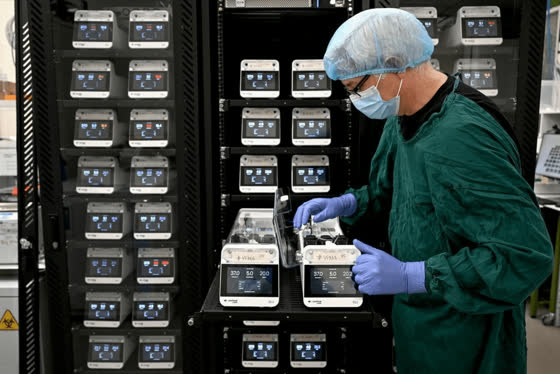
China has developed a 3-gram non-invasive brain chip. This is a breakthrough in the direct interface between humans and AI.
Non-invasive brain chip, China, neurotechnology, medical applications, consumer devices, new non-implantable approach

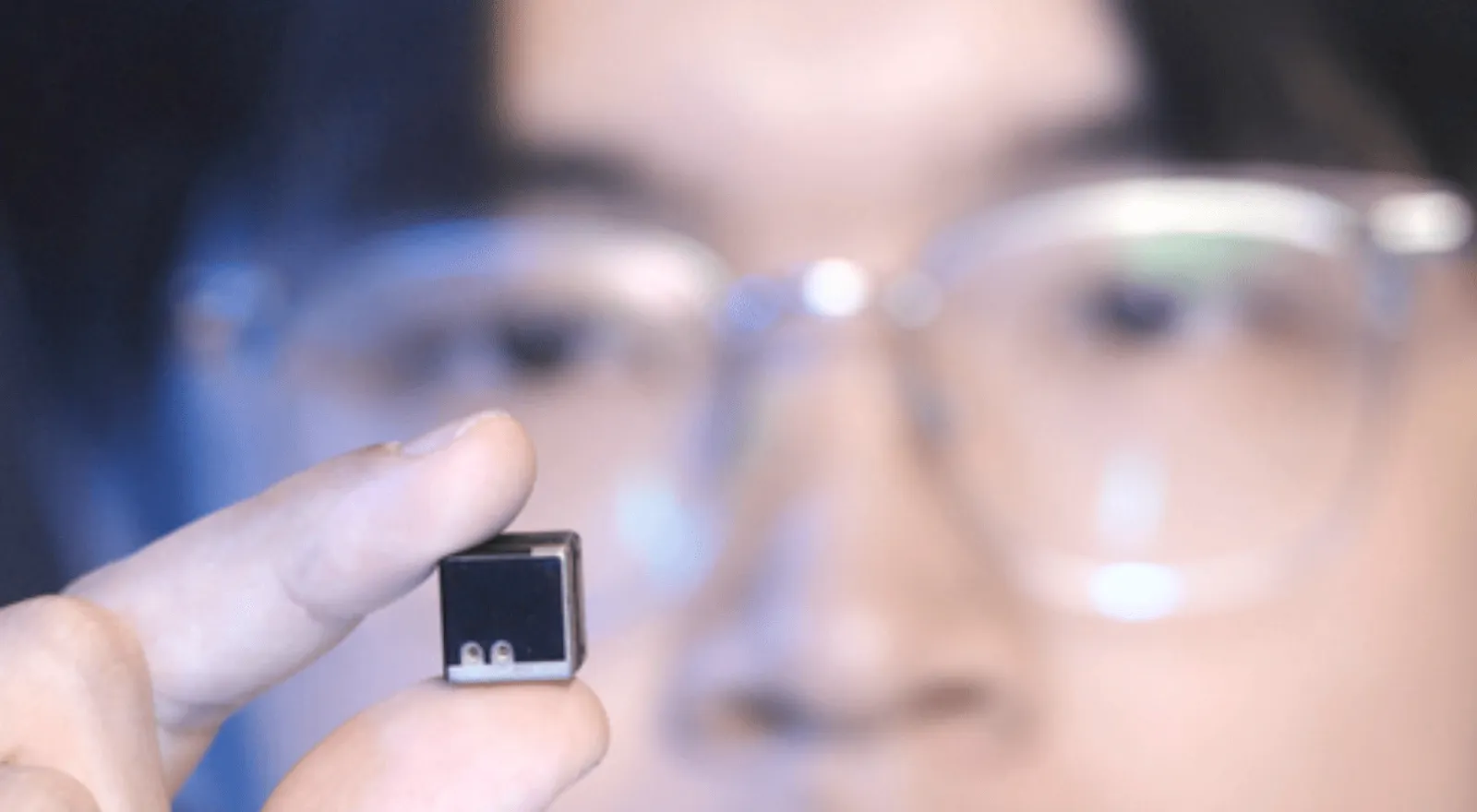
Chinese researchers claim to have created the world's lightest non-invasive brain chip, weighing just 3 grams. If true, this microscopic "brain-computer interface" could be the first step toward the widespread use of neurotechnology without the need for surgery.
What has changed?
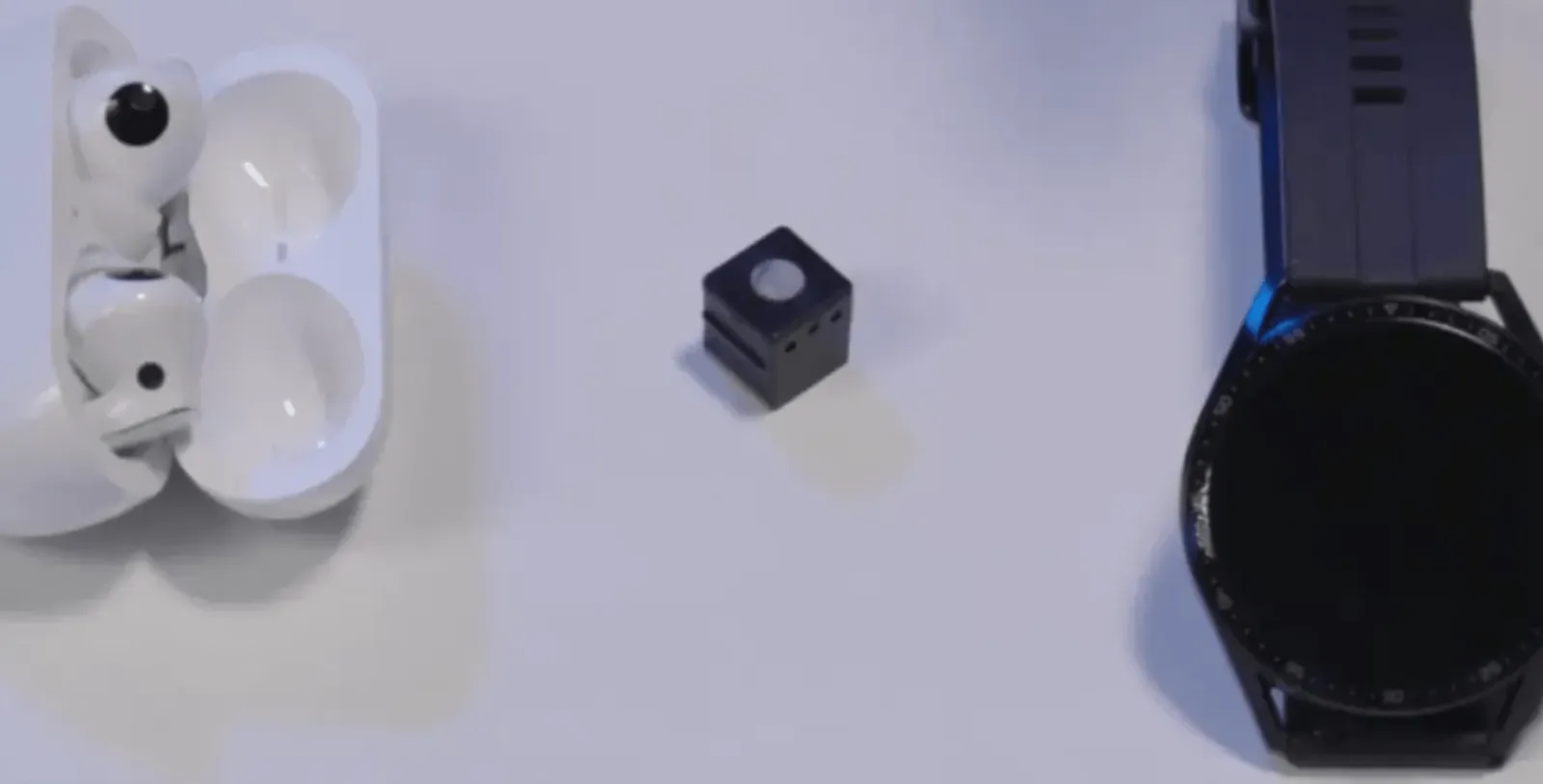
Traditional brain interfaces either require implantation or rely on bulky external sensors. According to the developers, the new chip weighs only three grams and is entirely non-invasive, making it potentially convenient for both medical and consumer applications.
How does it work?
Specific details about the technology have not been released; the announcement only states that the chip "could unlock new possibilities in neurotechnology." It is expected to detect brain signals through the skin, but the exact sensing methods, refresh rates, and accuracy have yet to be disclosed.
What's the catch?
- So far, there are no public tests or independent performance evaluations.
- Power requirements, battery life, and compatibility with existing software have not been specified.
- Without data on latency and noise levels, it is difficult to judge how suitable it is for real-world tasks, ranging from rehabilitation to controlling gadgets.
What does this mean for us?
If the chip truly works without surgery while maintaining sufficient accuracy, it could become a more accessible alternative for patients with neurological disorders and for developers of "smart" wearables. For now, however, we are looking at a laboratory prototype, and real-world implementation could take years. What do you think?
If you are interested in AI, technology, and the future—welcome to my channel to discuss and share updates.
Translated from Russian. Original on vc.ru: В Китае создали неинвазивный мозговой чип весом 3 грамма. Это прорыв в прямом интерфейсе человека с ИИ.