Do Reels cause stress, anxiety, and brain fog? What a meta-analysis reveals about Reels, TikTok, and Shorts
Short-form videos like TikTok, Reels, and Shorts impair attention and trigger stress and anxiety, meta-analysis shows link to cognitive functions

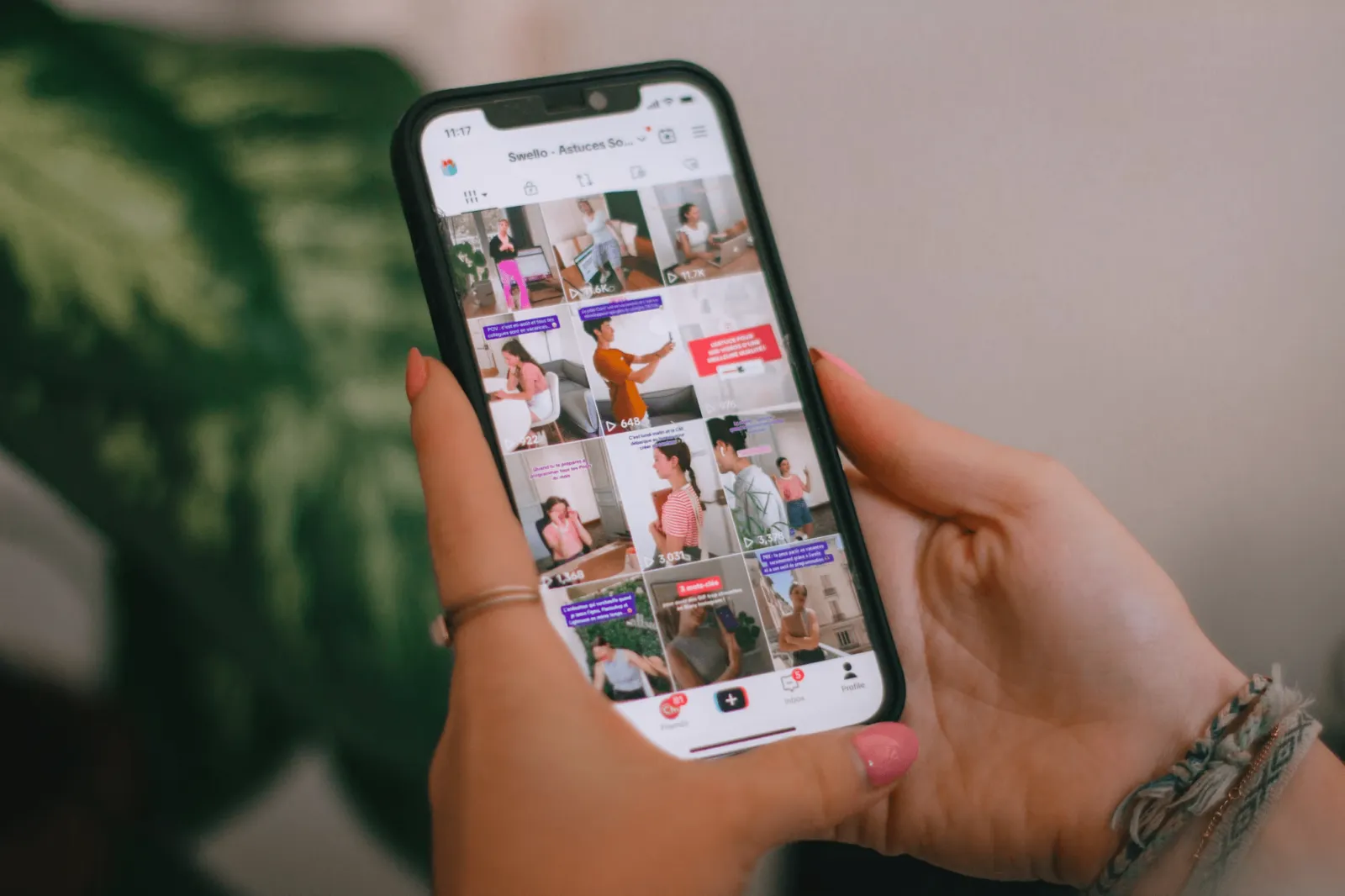
Spoiler: yes, but it's a bit more complicated. In 2025, one of the most extensive scientific reviews on the impact of short-form video on the brain and mental state was released. Researchers analyzed data from 98,299 participants across 71 studies to answer a long-standing question: do short videos really make us less attentive?
What was studied?
Short-form videos include TikTok, Reels, Shorts, and any platform featuring an infinite vertical scroll. Originally an entertainment-only format, it has since migrated into education, career content, advertising, and more. However, the interface remains the same, and it is precisely this interface that concerns scientists.
What were the findings?
The meta-analysis shows a consistent link between short-form video consumption and declining cognitive functions. This connection is evident in both adolescents and adults, meaning it's not about age, but rather the mechanics of the format itself.
Key findings:
1. Attention spans take the biggest hit
Correlation: r = -0.38
This means that the more someone engages with Reels and TikTok, the worse their attention retention system performs. We become accustomed to constant bursts of novelty, and the brain begins to demand that same level of dynamism from any information it encounters.
2. Inhibitory control also suffers
Correlation: r = -0.41
This is the very function that allows us to "stop," focus, and not get distracted by every single stimulus. Simply put, the more short-form video you consume, the less ability you have to manage your own attention.
3. Mental well-being also declines
Correlation: r = -0.21
The link is weaker but stable. The most prominent effects are observed in: stress and anxiety.
Importantly, these effects manifest across all platforms.
4. However, it has almost no impact on self-esteem
No significant links were found regarding self-esteem or body image. Scientists suggest this is due to the diversity of content and creators.
Why is this happening?
It is an environment optimized for maximum attention retention. Each video lasts 6-12 seconds, and each one tries to surprise or entertain. The brain adapts to ultra-high-frequency stimuli, making ordinary tasks (work, reading, studying) feel "too slow."
Essentially, we are training ourselves to be inattentive.
What is particularly interesting?
Few studies have looked into memory, reasoning, or the ability to think critically. While science is currently focused on attention, the authors of the study are calling for research into other cognitive functions. It is possible that in 2-3 years, we will discover that short-form formats affect us even more profoundly than previously thought.
What does this mean for us?
The meta-analysis isn't saying that short-form videos should be "banned." It says something else: when something becomes part of a daily media habit, it is vital to understand its side effects.
Three takeaways for users:
- The format affects the brain even when the content seems useful. Cognitive effects are linked to the delivery mechanics, not the topic of the video.
- Moderation is becoming a key tool for digital hygiene. Even 30-40 minutes a day already shows noticeable links to attention issues.
- If your work involves concentration, creativity, or strategy, it is worth re-evaluating your consumption habits.
In 2025, Reels and Shorts have become an almost mandatory format for brands, media, and creators. But any mass shift in attention leads to a shift in behavior.
We aren't "getting stupider" in the colloquial sense, but we are adapting our brains to fragmented attention, which does not translate well to real life. And if short-form videos have become the foundation of our information consumption, the price of such adaptation may be higher than it seems.
Translated from Russian. Original on vc.ru: От рилсов появляется стресс, тревожность и тупость? Что показывает метаанализ о Reels, TikTok и Shorts?