Face for Rent: A New Market for AI Digital Personas Emerges in China
Digital identity in China, appearance licensing, generative AI, new revenue streams, face protection, digital twin market

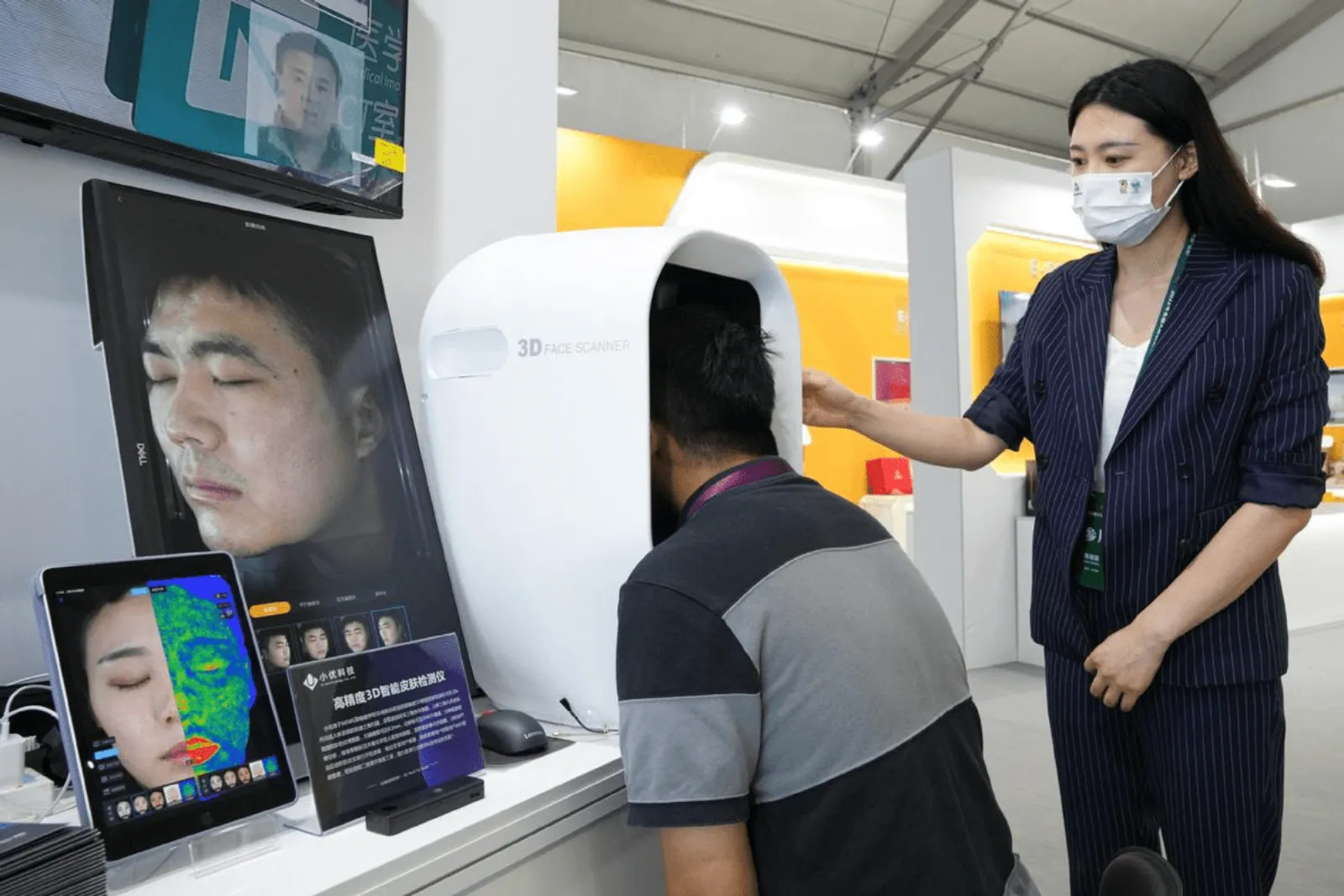
Amidst the explosive growth of generative AI in the country, specialized platforms have begun operating where anyone can license their appearance for use in advertising, films, video games, short-form series, and digital avatars. In effect, we are seeing the emergence of a new category of digital assets, where the human face itself becomes the subject of the transaction.
From Photo Stocks to Human Face Stocks
The business model resembles Shutterstock or Getty Images, except instead of photographs, the right to use a specific person's face is being sold.
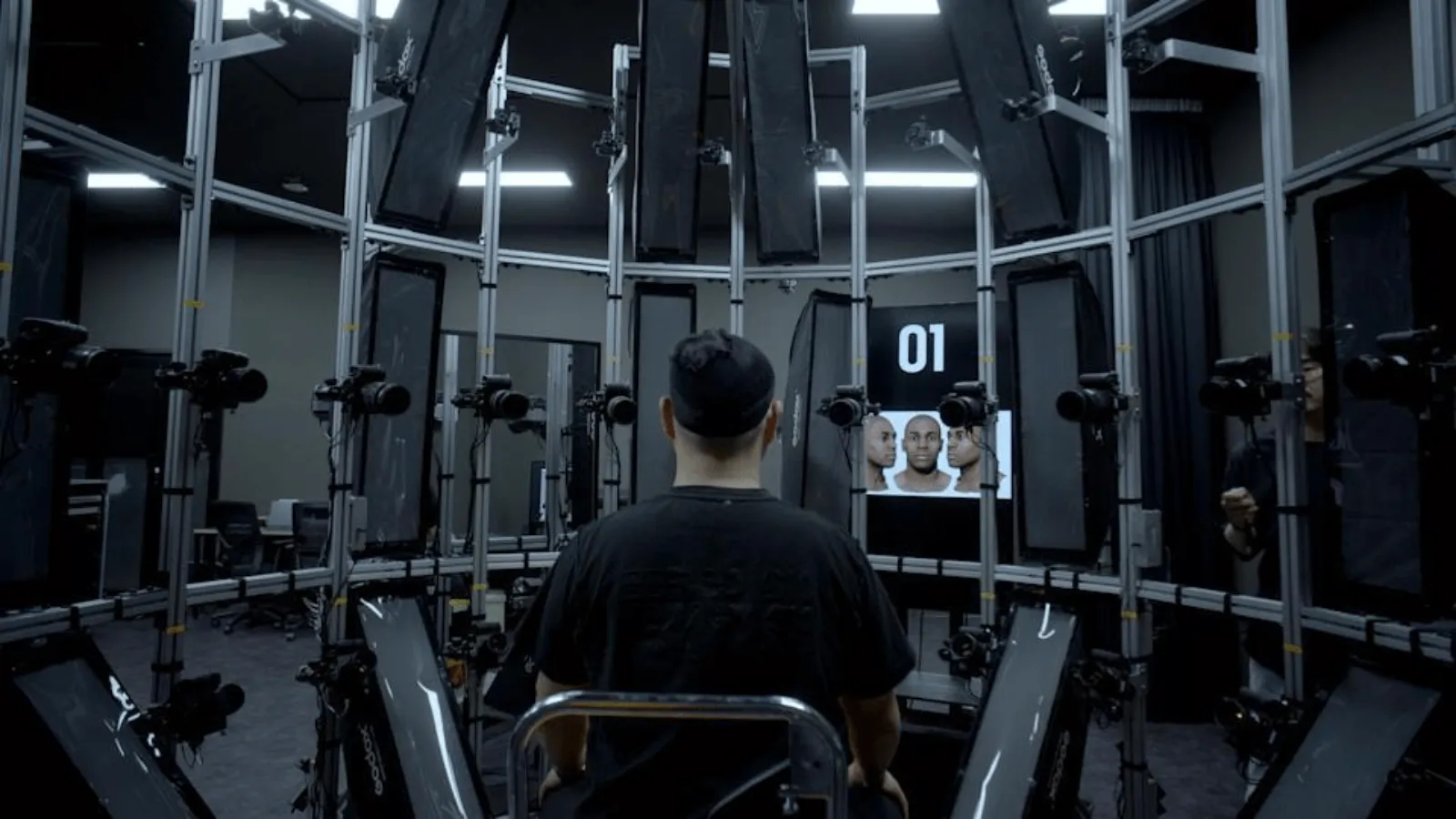
After registering, a user uploads a series of photos or undergoes a professional photoshoot. Algorithms then generate a digital profile that can be used to create AI characters.
Producers and advertising agencies gain access to a catalog and can search for faces using dozens of parameters:
- age
- gender
- nationality
- type
- mood
- profession
- style
- genre of the future project
Once a license is purchased, generative AI can create any scene without the actual person ever needing to participate.
How much can you earn?
Today, license costs range from approximately $15 to $700, depending on the terms of use. In some services, payment is made per episode of a series. For example, on the ActID platform, the cost of using a face ranges from 99 to 500 yuan per episode, with the platform itself retaining about a 10% commission.
Another platform, New Claw, has set a minimum threshold of 500 yuan per image to prevent price dumping among users.
For many students, retirees, extras, and aspiring models, this is becoming a new source of supplemental income.
Why China?
China was the first to encounter the industrial-scale production of AI-generated series.
According to Chinese industry sources, more than 95% of short dramas released in the first quarter of 2026 had already utilized artificial intelligence at various stages of production. Furthermore, AI is being used not just for scriptwriting, but also for creating actors, dubbing, editing, and visual effects.
Completely synthetic faces quickly began to irritate viewers. Many characters looked identical. Consequently, studios began searching for real human faces to make their digital characters look more natural. It was this demand that gave birth to the appearance licensing market.

These are no longer actors
Once a digital model is created, an actor may never need to step onto a set again.
AI can independently:
- change clothing
- change age
- change emotions
- change voice
- place a person in any setting
- generate thousands of new frames
In effect, a single captured model can work indefinitely.
This is why some industry representatives refer to such services as the digital twin market.
China is already facing mass face theft
According to the Guangzhou Internet Court, approximately 700 cases involving the illegal use of human faces via AI have been reviewed over the last three years.
In the spring of 2026, the Beijing Internet Court issued a landmark ruling. The court ruled that using a person's appearance to create an AI version without their consent violates image rights, even if the face has been significantly altered by an algorithm. Many Chinese lawyers call this decision one of the first major legal precedents for the generative AI era.
Some companies are already offering face protection
Against this backdrop, a new type of service has begun to emerge. For instance, ActID does not only sell licenses but also monitors the internet for the unauthorized use of registered faces.
If the service detects an illegal copy of a digital face, lawyers assist the user in filing a lawsuit.
Essentially, a new industry is forming, encompassing:
- appearance licensing
- digital identity protection
- infringement monitoring
- legal support
But can a face truly be protected?
Once biometric data is transferred, it is almost impossible to guarantee that it will never end up in a new model, with another company, or in an unknown database.
Lawyers note that in many contracts, the scope of transferred rights is phrased too vaguely, so individuals often do not understand exactly who will be able to use their face, and in which projects, years down the line.
The economics of film, video, and art are changing
For background roles, there is no longer a need for filming days, makeup, costumes, travel, or dozens of takes. It is enough to create a digital human model just once. This significantly reduces production costs.
What comes next?
Who will actually own a person's digital copy ten years from now?
Translated from Russian. Original on vc.ru: Лицо в аренду: в Китае родился новый рынок цифровой личности для ИИ


