How much longer can we stay silent about the fact that choosing a genetically superior child has already become a market? And what does Sam Altman's husband have to do with it?
Embryo selection, Nucleus Genomics advertising, genetic testing, Sam Altman's Preventive, the impact of environment on intelligence and health.

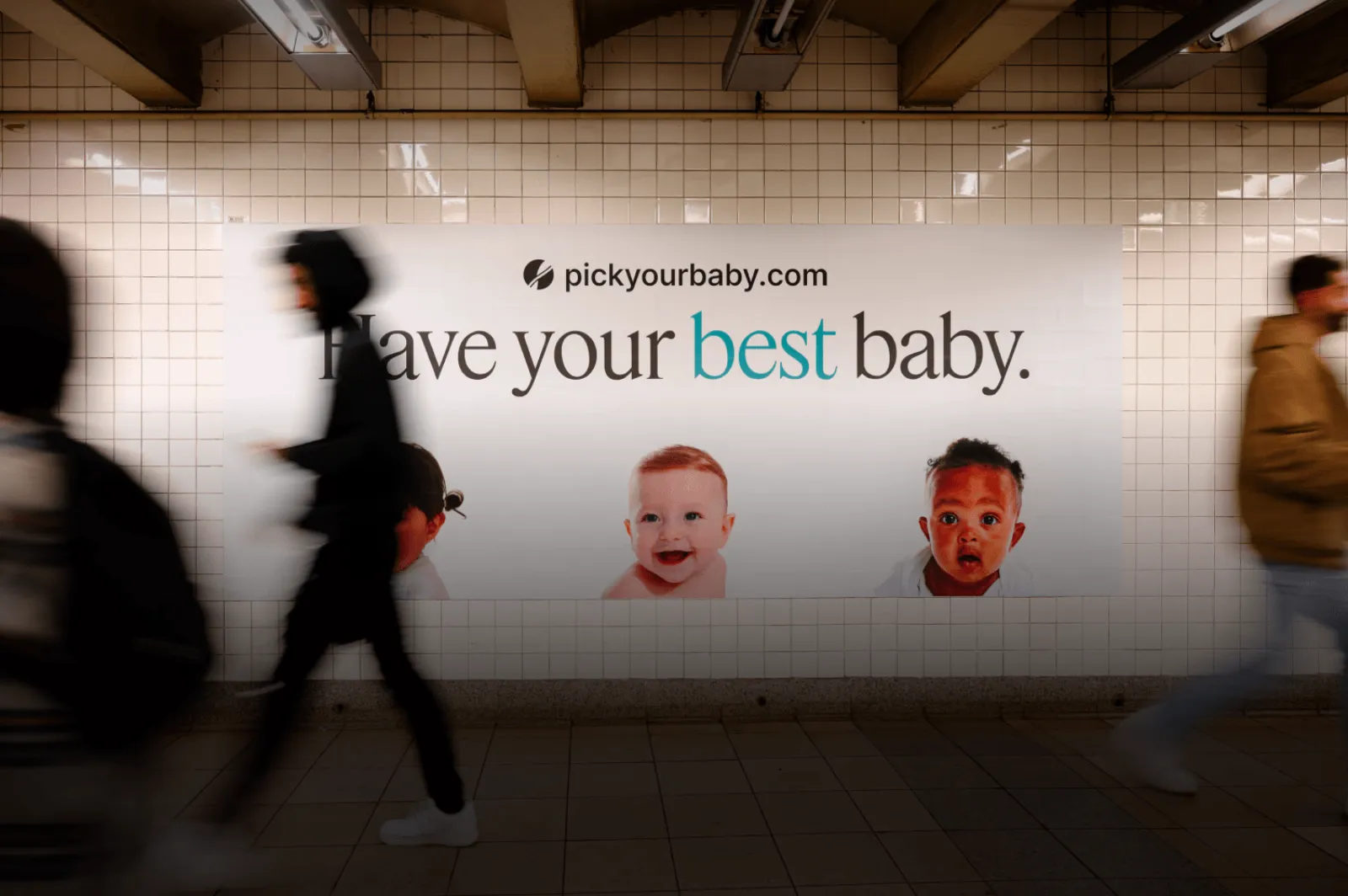
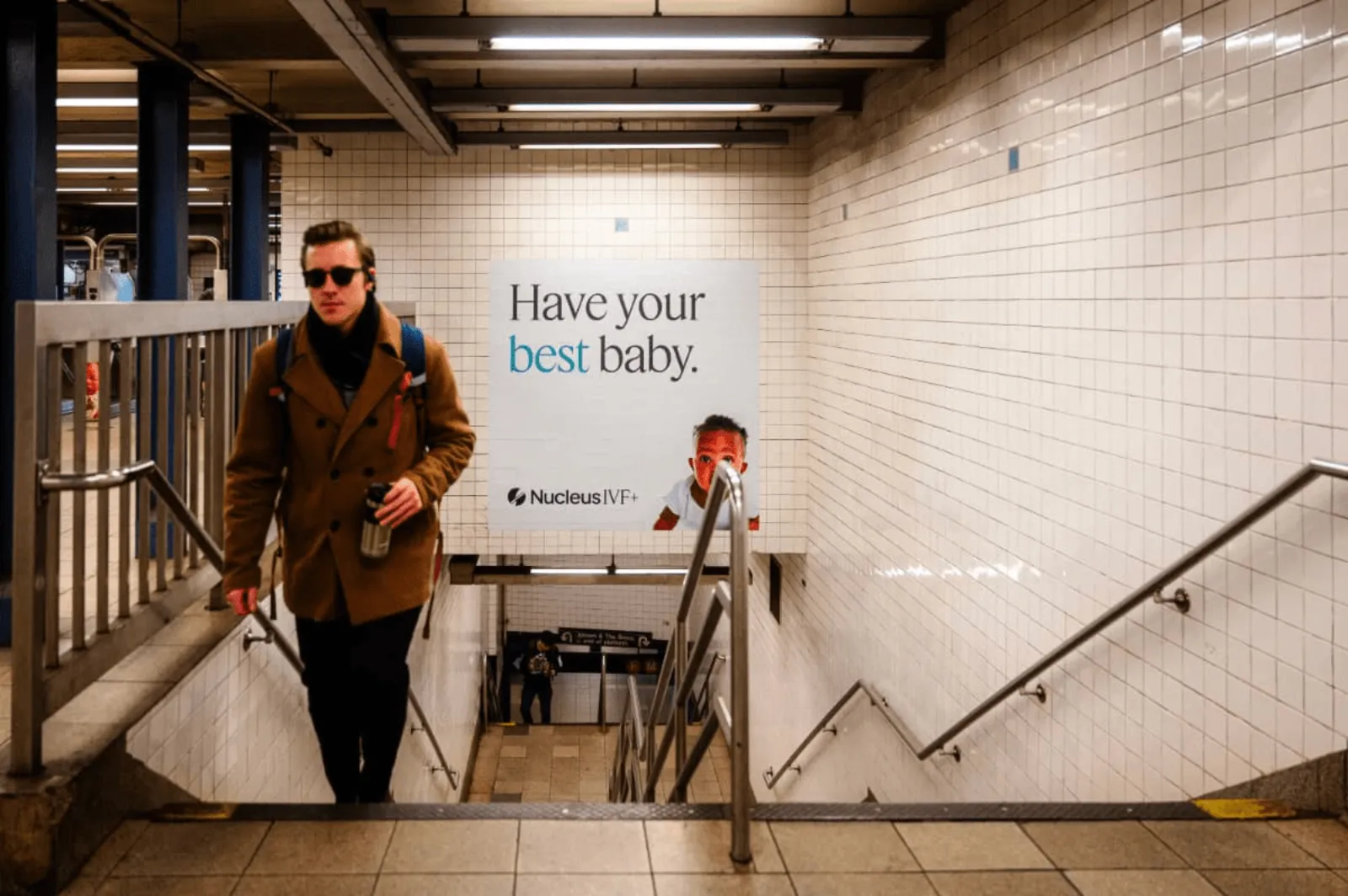
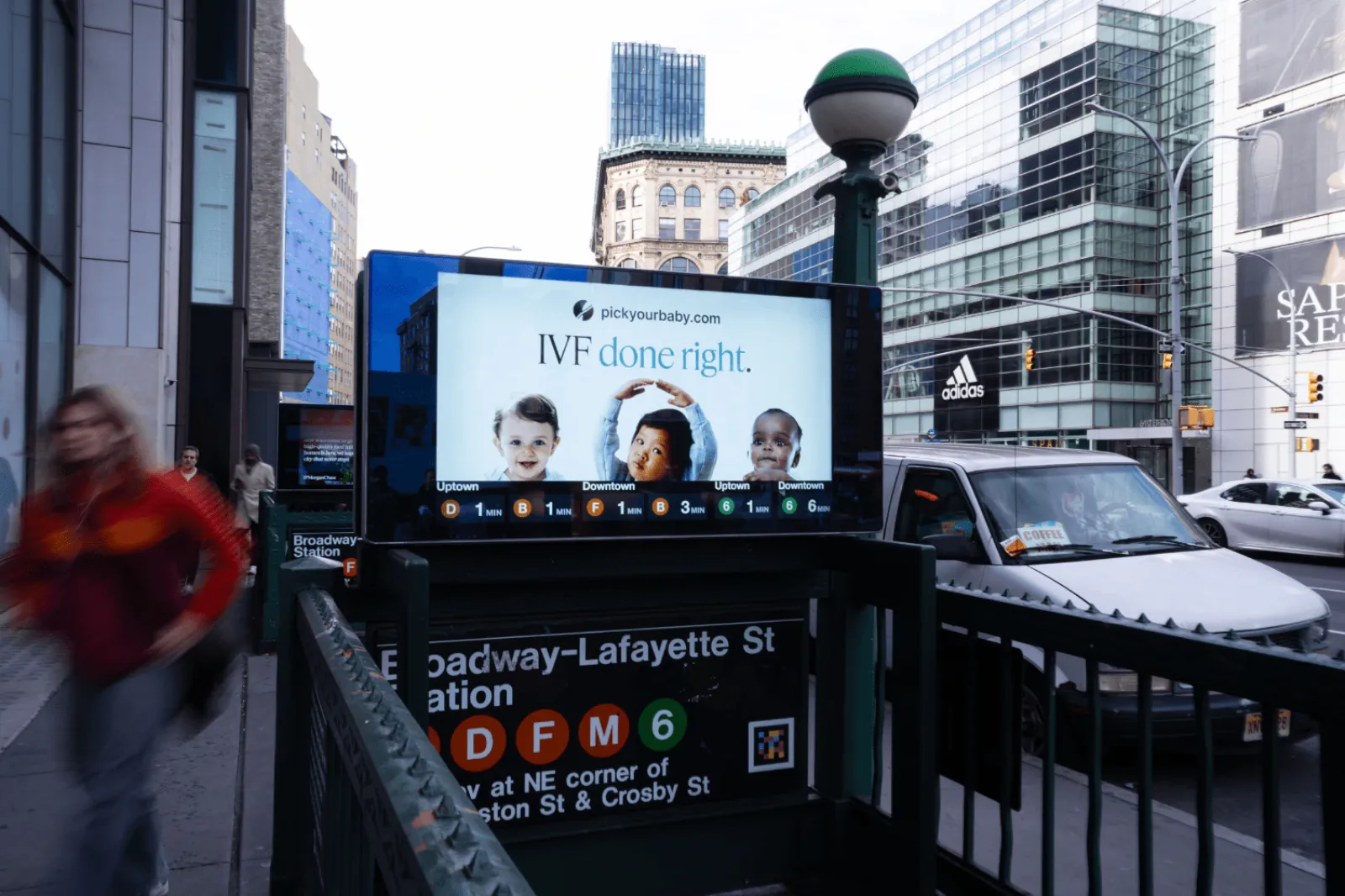
Is this a Black Mirror episode yet, or not quite? In November 20 Im 2025, advertising posters appeared in the New York City subway: pick the best child, IQ is 50% genetics, and so on... This is a real advertising campaign by the biotech startup Nucleus Genomics, which offers software for embryo selection.
How does embryo selection actually work today?
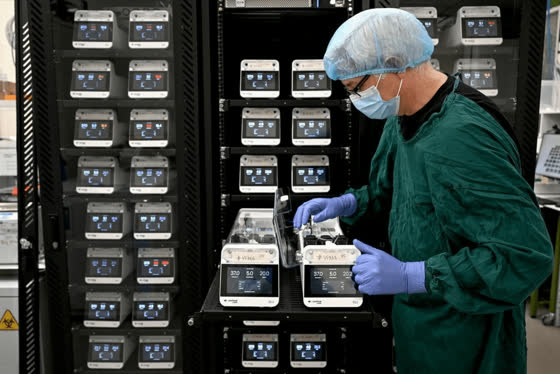
During IVF, several embryos are typically obtained. These embryos can be tested before being transferred to the uterus. It is important to note: no one is creating a child to order. There is always a selection from a limited set of embryos produced during a specific cycle.
Genetic testing occurs at several levels.
The first level is screening for chromosomal abnormalities. This is pure medicine. It helps reduce the risk of severe conditions and failed implantations.
The second level is testing for specific hereditary diseases, if a mutation is known within the family. This also follows the medical logic of prevention.
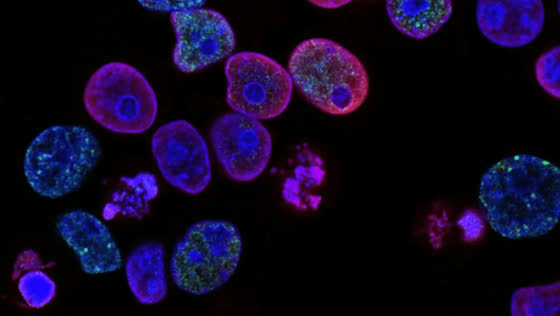
The third level, the most controversial, is polygenic scores. This is an attempt to use dozens or hundreds of markers to calculate the probabilities of complex traits that depend not only on genes but also on the environment. They provide a statistical probability within a specific population model.
In summary, the following are determined reliably:
- sex
- presence of gross chromosomal abnormalities
The following are determined with high probability:
- eye color
- blood type and Rh factor
The following are determined with moderate accuracy:
- general skin tone range
- height
- bone density
- metabolic rate
The following are assessed as risks:
- risk of diabetes
- risk of cardiovascular disease
- risk of obesity
- risk of certain autoimmune diseases
- risk of certain cancers
- risk of depression and anxiety disorders
- risk of neurodegenerative diseases
Polygenic scores:
- cognitive abilities (IQ)
- learnability
- attention span
- propensity for impulsivity
What exactly does Nucleable Genomics do?
The company sells software that allows for the comparison of several embryos across a multitude of parameters and risks. Formally, the company speaks in terms of probabilities, statistics, and risk reduction. In reality, the advertising speaks of something else. It speaks of choice. Of optimization. Of the best option.
However, polygenic traits such as intelligence, or a predisposition to depression or diabetes, do not work like an on/off switch. They depend on environment, upbringing, stress, nutrition, and random factors. Their predictive power is limited, especially for a specific individual.

What is Sam Altman's husband's 'Preventive,' and how is it fundamentally different?
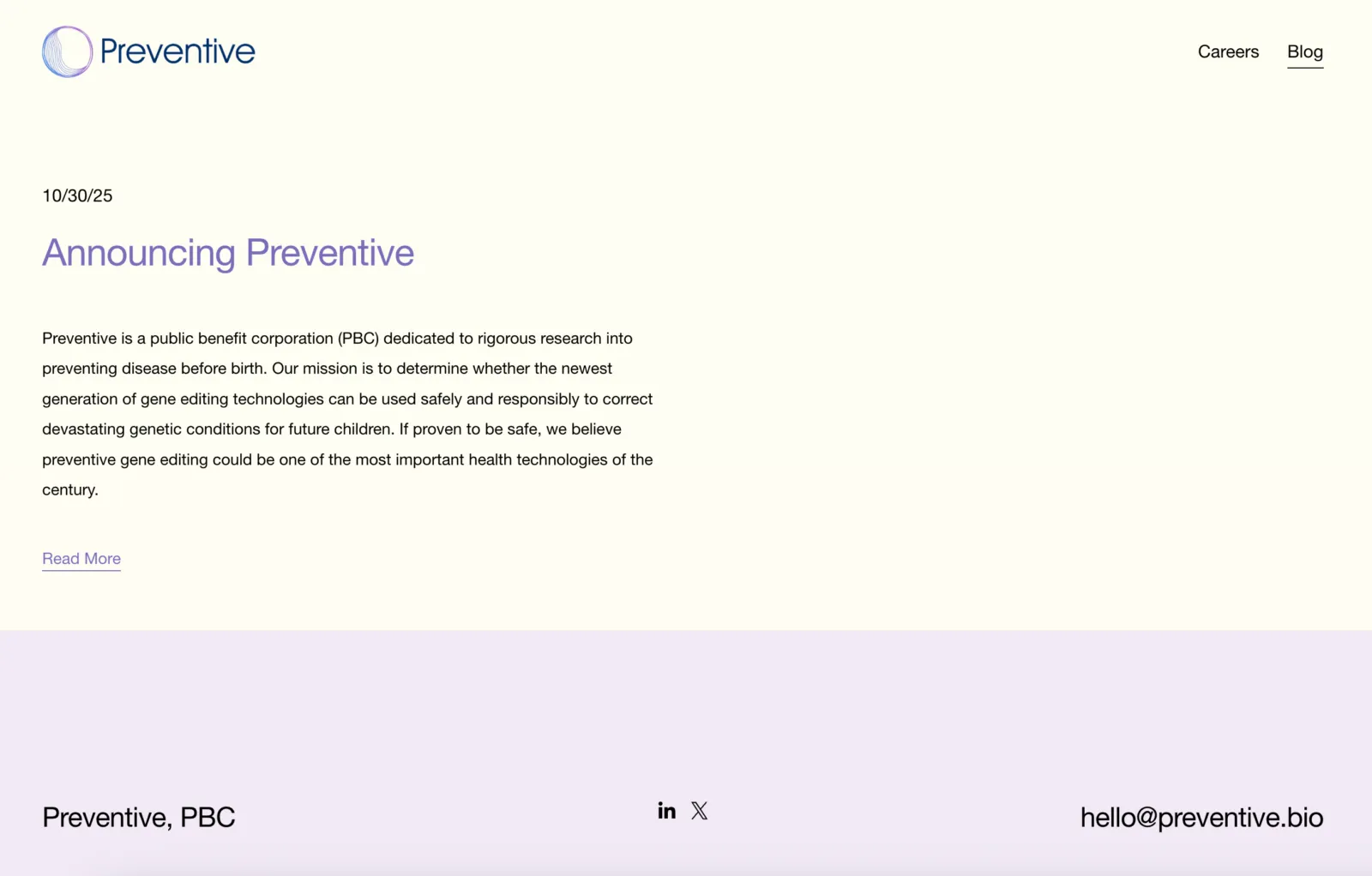
Preventive is another startup working on preventing hereditary diseases at the embryo stage, with the goal of identifying severe diseases and reducing the risk of their transmission.
In 2025, Sam Altman invested in it; several publications indicate that the investment was made jointly with his spouse, Oliver Mulherin.
Preventive does not yet sell 'best gene' rankings or promise enhanced characteristics, but the principle is the same.
How much does choosing a child actually cost today?
If we go for the maximum, a full cycle looks like this: one cycle costs on average $10,000-$15,000, basic chromosomal screening is another $2,000-$5,000, testing for hereditary diseases is $3,000-$8,000, and polygenic trait assessments are $5,000-$20,000.
In total, a full embryo selection package including medical and optimization tests costs approximately $60,000-$70,000.
The final question we don't want to ask just yet
Who will define what 'better' means? Based on what data? Why do startups believe it is possible to interfere with natural processes? And what if AI algorithms make an error and result in reverse selection, genetic problems, and terrible consequences for humanity? And where will the line be drawn between medical assistance and momentary consumerism?
When the selection of a future human being turns into a product, the responsibility for the consequences ceases to be a private matter and becomes a pressing issue.
What do you think?
If you are interested in the topics of AI, technology, and the future—welcome to my channel to discuss and share updates.
Translated from Russian. Original on vc.ru: А долго мы будем молчать, что выбор генетически лучшего ребенка уже стал рынком? И причем здесь муж Сема Альтмана?