How to Build a Million-Dollar Marketing Engine Without a Team Using 40 AI Agents and a Specialized Toolkit
Building marketing without a team, using 40 AI agents, process automation, growing YouTube and newsletter subscribers, and effective tools.

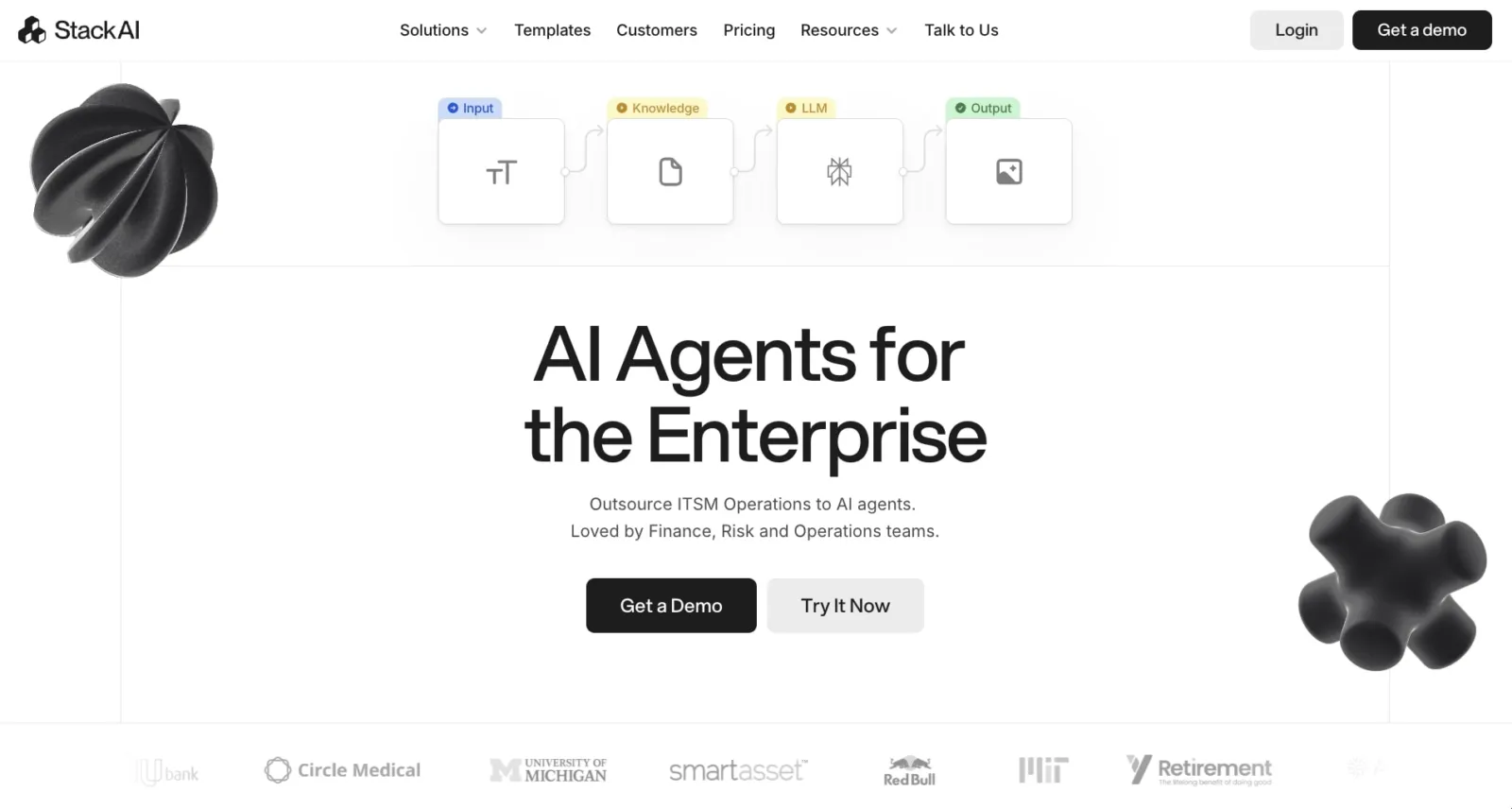
In 2025, a new marketing model has emerged, where a solo founder can manage all channels, publish content daily, grow YouTube and newsletter audiences, host webinars, and manage funnels without hiring employees. The foundation of this model is a system of approximately 40 AI agents working autonomously.
What does such a system look like in reality?
Agents act like mini-employees within one large marketing engine. Each is responsible for a specific function, and together they cover the workload of a full-scale department.
Tools used:
• LangChain or LangGraph for orchestration and agent connectivity
• OpenAI Assistant API and Anthropic Messages API for interacting with models
• Zapier, Make, n8n for routing
• Supabase or Firebase for data storage
• Sentry for error monitoring
• Docker, Railway, or Render for production deployment
• Notion, Motion, or Linear for task management
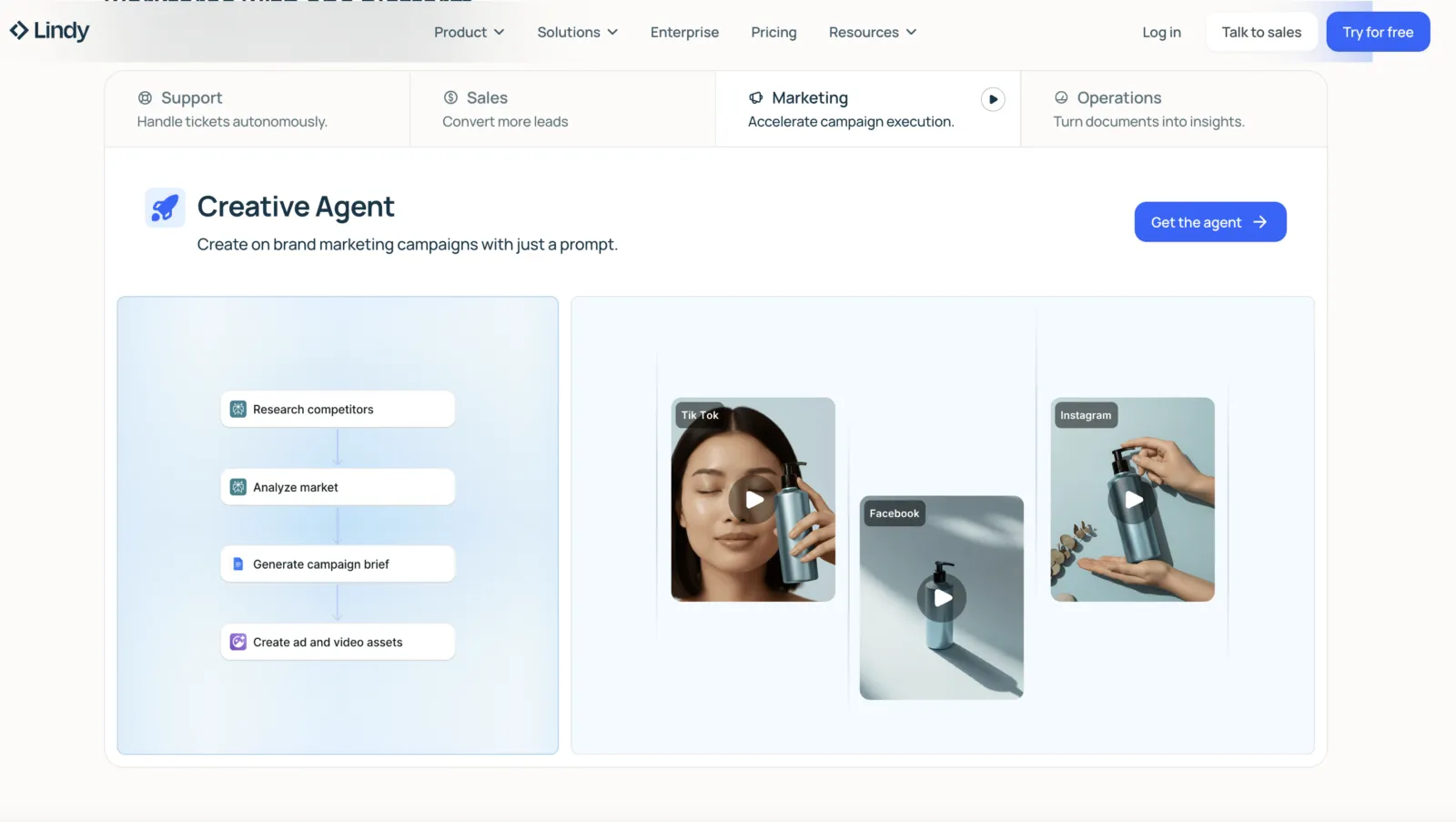
In visual diagrams, these systems are often shown through the Lindy interface, where agents are presented as cards: subscriptions, onboarding, analytics, webinars.
Results you can achieve
With a well-designed architecture, a system of 40 agents provides:
• presence across all key social networks
• newsletter subscriber growth
• YouTube subscriber growth
• weekly webinars
• a steady stream of leads
• a full-scale free educational product
An important point: such systems do not depend on human uniqueness, but on structure and tools.
Step 1. Get inspired and understand the architecture
The key idea is not to try and copy everything at once. You need to understand the principles.
The system is built on:
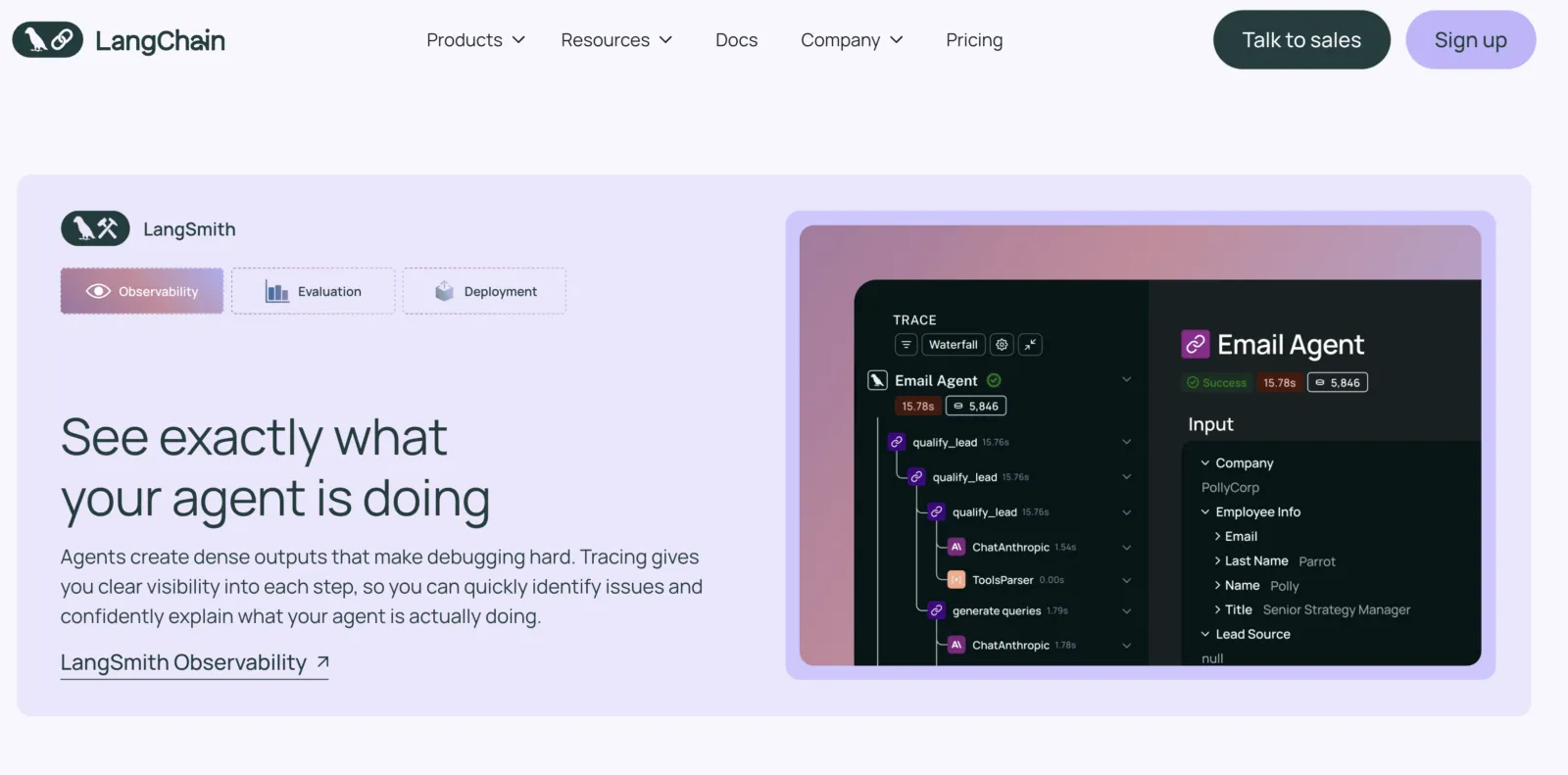
• LangChain or LangGraph
• OpenAI or Claude
• Zapier and n8n
• Lindy as the visual agent layer
Examples of agents used within the system:
• Content Planner
• Newsletter Writer
• TikTok Publisher
• SEO Ranking Tracker
• Customer Onboarder
• New Customer Tracker
• Churn Monitor
• Webinars Scheduler
• Live Session Reminder
These are all ready-made blocks within Lindy or a similar platform.
Step 2. Build your first prototype
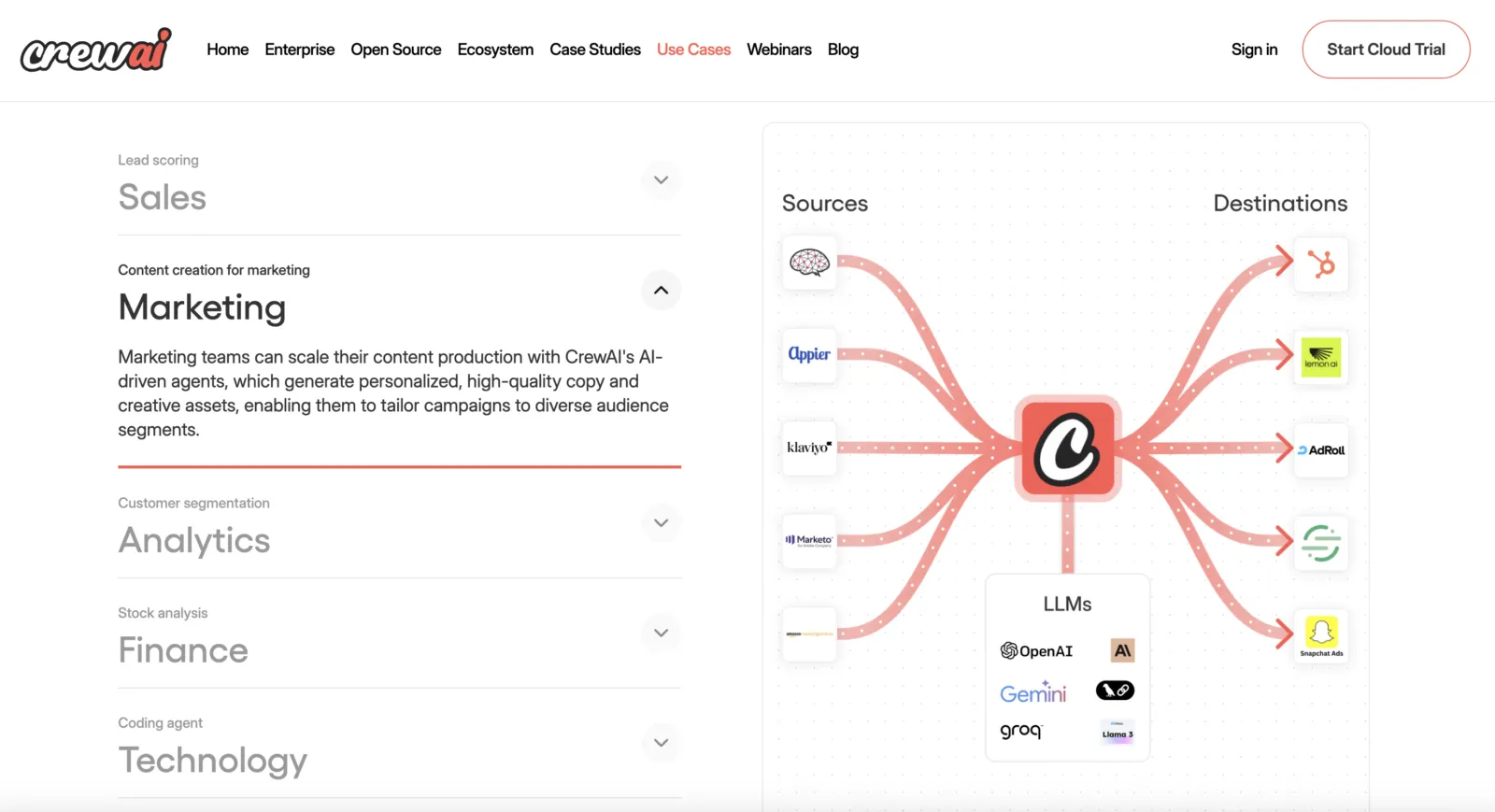
You don't need to create 40 agents right away. You need to pick one repetitive process. The goal: achieve a working workflow from request to result. Even a single agent, such as a post author, can already save dozens of hours.
The best options:
• post generation
• automated newsletters
• responding to comments
• topic research
• competitor analysis
For prototyping, use:
• Bolt
• v0.dev
• Cursor for writing logic
• Lindy for automation
• Zapier or n8n to connect all elements
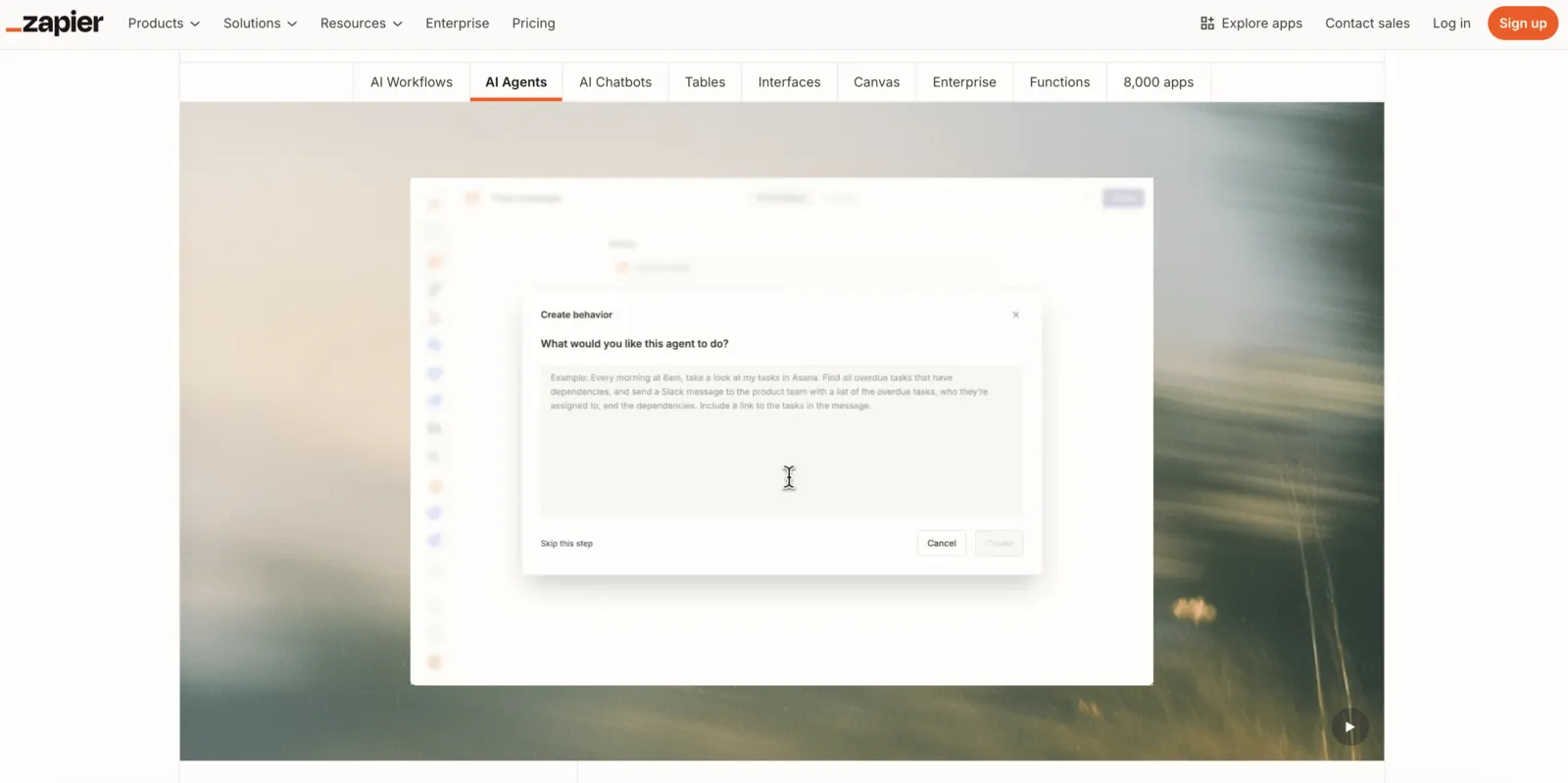
Step 3. Iteration and improvement
The first agent will always be imperfect. It will sound robotic, get the tone wrong, or choose the wrong formats.
Tools to help improve the results:
• Guardrails AI or Rebuff for quality control
• Promptfoo for testing prompts
• ChatGPT evals or LangSmith for error analysis
The process:
- The agent is deployed on a real task
- Errors are logged
- Prompts or logic are rewritten
- The agent is deployed again
After 20 or 30 iterations, it works reliably. Only then do you add a second agent.
Step 4. Moving to production
To keep the system running daily, you need:
• monitoring: Sentry, New Relic
• data storage: Supabase, Firebase
• fallback logic: fallback prompts, redundant processes
• pre-publication quality checks: custom AI QC
• dashboards: Metabase, Looker Studio
This is the stage that separates a hobby from a business.
Step 5. Scaling marketing across all channels
Expansion happens in phases.
Phase 1. Content Creation
Tools:
• Claude
• GPT-4.1/5
• Runway, Pika, Descript, CapCut for video
• ElevenLabs for voiceovers
• Canva or Figma for visuals
Phase 2. Distribution
Tools:
• Hypefury, Typefully, TweetHunter
• Buffer, Later, Publer
• Ghost, Beehiiv for newsletters
Phase 3. Audience Engagement
Tools:
• Lindy engagement agents
• Intercom or Tidio paired with LLMs
Phase 4. Conversion and Funnels
Tools:
• Zapier, Make
• HubSpot or Pipedrive
• automated email sequences in Beehiiv, Convert
Phase 5. Analytics
Tools:
• Amplitude
• Looker Studio
• TubeBuddy, VidIQ for YouTube
• Ahrefs, Semrush, Serpstat for SEO
Thus, having 40 agents does not mean 40 disjointed processes; it means 5 systems with 6–8 agents each.
Step 6. Distribution and Virality as the Core
The system doesn't just publish content; it optimizes it based on data.
The following are used:
• trend analytics: Glimpse, Explode Topics
• A/B testing headlines: Typefully AI Headline Tester
• YouTube optimization: VidIQ, TubeBuddy
• publication timing automation: Hypefury, Buffer
• cross-promotion: Publer and Zapier integrations
What skills are needed to build such a structure?
You don't need to be an engineer.
Key skills:
• systems thinking
• proficient prompt engineering
• ability to formalize processes
• an eye for good content
• discipline in iterations
One-year action plan
Week: study the architecture of agent systems and tools (Lindy, LangChain, Zapier).
Month: create your first working agent.
Quarter: expand the system to 3–5 agents.
Year: build a full architecture of 10–20 agents and cover all channels.
If you had the opportunity to automate one daily marketing task with an AI agent, what would you choose first?
If you are interested in AI, technology, and the future—welcome to my channel to discuss and share updates.
Translated from Russian. Original on vc.ru: Как построить миллионный маркетинг без команды, используя 40 ИИ-агентов и набор специализированных инструментов