Nine common technologies that could disappear by 2030. Shall we save this tweet?
Physical bank cards, passwords, traditional TVs, external hard drives, cables, remote controls, paper receipts, standard keys, manual device control

By 2030, we are unlikely to completely abandon plastic cards, passwords, keys, or wires. However, some of these things may cease to be a familiar part of our lives. Let's speculate together!
Below are nine technologies that are set for particularly significant transformations over the next four years.
1. Physical bank cards
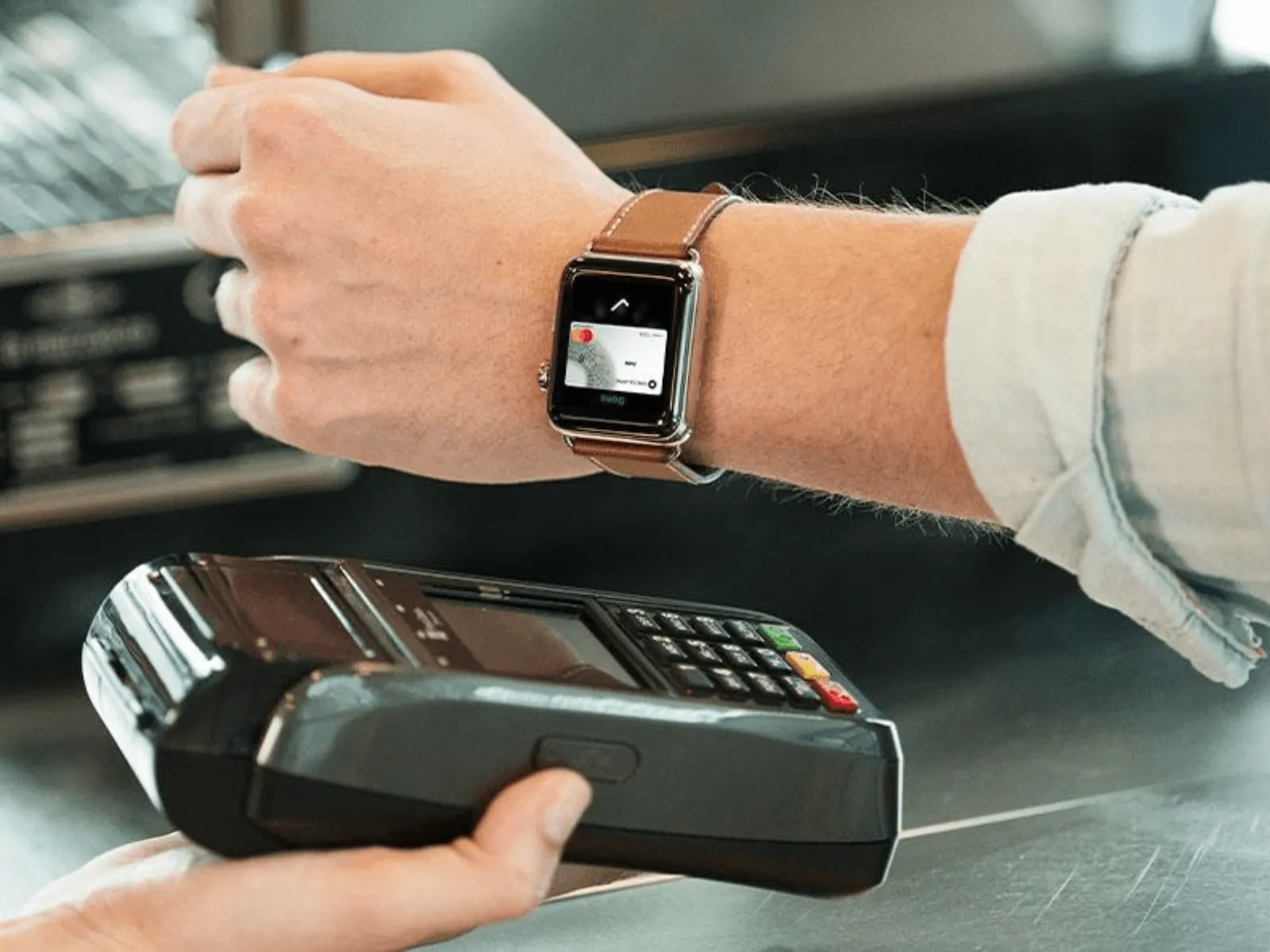
Plastic cards are staying at home more and more often. In stores, it is enough to tap a smartphone or watch on a terminal, while digital wallets and saved payment data are used for online shopping.
Tokenization is at the heart of this transition. Instead of sending the actual card number to the merchant, the payment system uses a special digital identifier. Biometrics help confirm the transaction, though requirements for additional authorization depend on the device, the bank, and the payment amount.
The next stage involves digital IDs, payments via wearables, and tighter integration of financial services into operating systems.
What will change by 2030: a physical card may turn into a backup tool for travel, ATMs, and situations where a smartphone is unavailable. But it is unlikely to disappear entirely: the availability of digital payments varies greatly between countries.
2. Passwords
For a long time, passwords remained the primary way to prove that a user is indeed the owner of an account. Now, they are gradually being replaced by passkeys.
The technology is based on public-key cryptography. The private key remains under the user's control, while the service receives confirmation of ownership without the secret itself being transmitted. This significantly reduces the risk of credential theft via phishing pages.
According to FIDO Alliance data for May 2026, about 5 billion passkeys are already in use worldwide. In the organization's study, 75% of respondents reported setting up at least one such access key, and 49% use it regularly where available.
Furthermore, facial recognition or fingerprint scanning usually only unlocks the key on the device, rather than transmitting biometric data to every website.
What will change by 2030: entering a password will become a rare occurrence for many popular services. However, backup recovery methods, corporate systems, and legacy websites will continue to support traditional authentication for a long time.
3. Traditional TV channels
The tipping point has already occurred in the US. In May 2025, streaming surpassed broadcast and cable television combined for the first time: 44.8% versus 44.2% of total TV viewing time, according to Nielsen.
And this transformation isn't limited to Netflix and Disney+. YouTube, free ad-supported platforms, and live streams are also becoming part of the new television.
However, streaming does not mean the total disappearance of ad breaks. Many platforms are actively developing cheaper, ad-supported tiers, and sporting events and news continue to drive interest in live broadcasts.
What will change by 2030: linear TV channels will likely persist but will become increasingly integrated into apps, streaming platforms, and personalized interfaces.
4. External hard drives
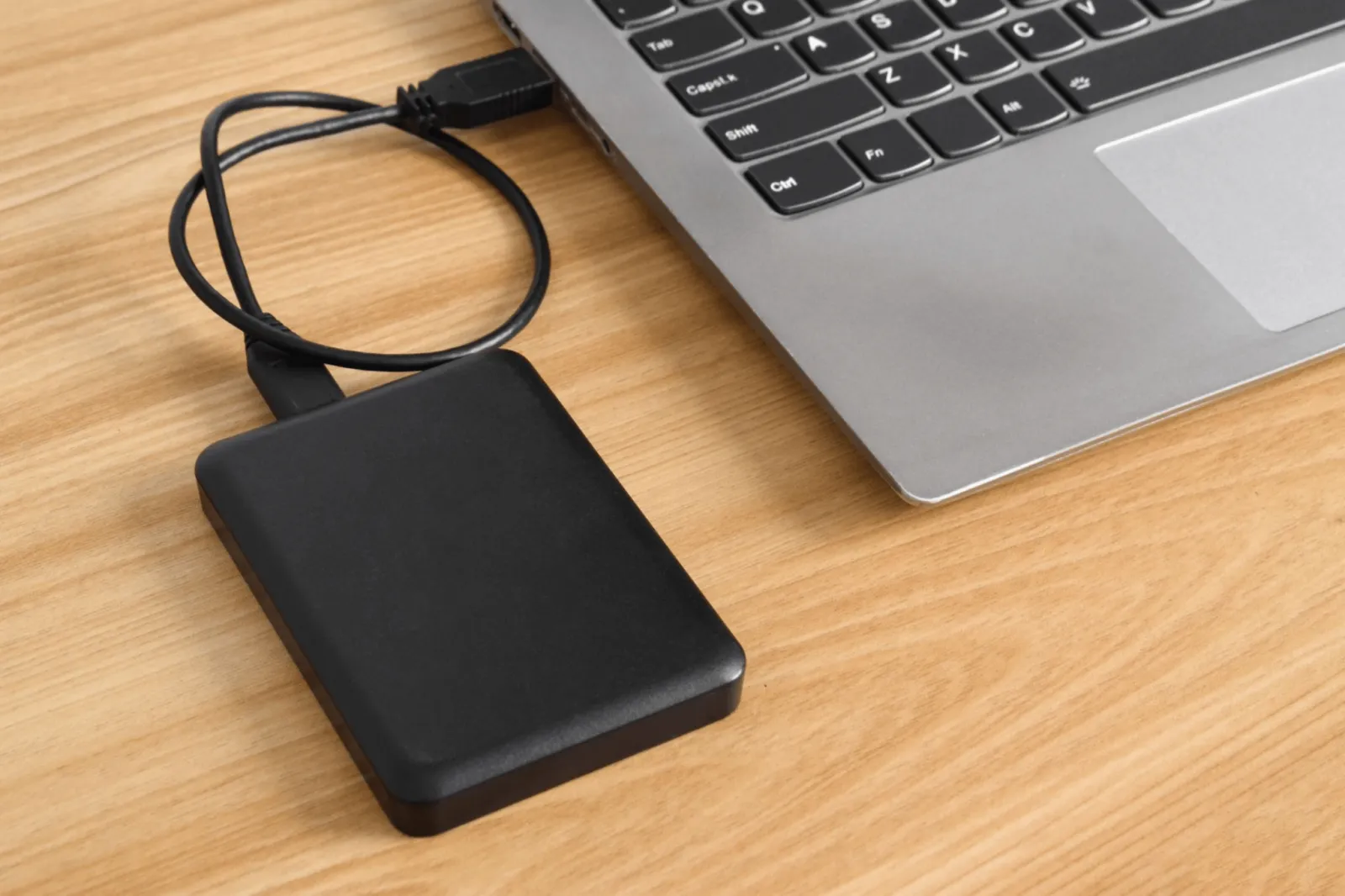
Not long ago, an external hard drive was an essential accessory for storing photos, movies, and work documents. Today, many users don't even think about where their files are physically located.
Google Drive, iCloud, OneDrive, and Dropbox automatically sync data across devices. At the same time, portable SSDs offer much higher speeds than traditional mechanical HDDs.
But there is an important distinction here: cloud storage does not always replace an independent backup. Synchronization can propagate accidental deletions or file corruption to all devices.
Additionally, HDDs remain attractive where large storage capacity is needed at a relatively low cost. This is especially important for archives, video production, and local servers.
What will change by 2030: external HDDs may become a niche device for archiving, while average users will increasingly opt for the cloud, SSDs, or home network storage.
5. Cables
Headphones have long been wireless. Keyboards and mice connect via Bluetooth, smartphones charge on wireless stations, and home devices connect via WiFi.
WiFi 7, Qi2, and modern wireless protocols are making everyday electronics more convenient. Users find themselves searching for the right port less and less often.
But wireless transmission does not eliminate physical limitations. Wired connections remain vital where high stability, minimal latency, guaranteed bandwidth, and high power delivery are required.
Professional monitors, servers, gaming systems, and video production equipment still rely heavily on cables.
What will change by 2030: wires will become less noticeable in everyday life, but the disappearance of cables as a technology is practically out of the question.
6. Remote controls
The TV remote is gradually turning into one of several ways to control a device, rather than a mandatory accessory.
Voice commands, smartphones, and smart home systems already allow you to switch content, adjust volume, control lighting, and trigger scenes.
The development of artificial intelligence opens an even more interesting perspective. Instead of the command "turn on the TV," a user will be able to ask to find a specific movie, resume watching, or prepare the room for a movie night.
But manufacturers are in no hurry to completely abandon physical buttons. Voice control is inconvenient in a noisy room, and searching for a smartphone just to adjust the volume isn't always practical.
What will change by 2030: standalone remotes may become less in demand, especially for secondary devices. Primary control will increasingly be consolidated within the smartphone and smart home interfaces.

7. Paper receipts
A paper receipt is one of the most clear-cut examples of a technology that can be abandoned without significantly changing the usual purchasing process.
An electronic document can be sent to your email, saved in a banking app, or linked to your purchase history. It is easier to find during a return, and stores won't need to consume as much paper.
Some countries have already changed the rules. For example, in France, since August 2023, standard cash register receipts are no longer printed automatically, although customers have the right to request them. Exceptions are provided for certain transactions.
An important clarification: bank checks, which are used to pay for goods and services in some countries, are not the same as store receipts. The US Federal Reserve statistics regarding the decline in check payments refer specifically to payment instruments, not to paper receipts from shops.
What will change by 2030: digital receipts may become the default option in an increasing number of stores. At the same time, paper documents will persist where they are required by law or are more convenient for the customer.
8. Traditional Keys
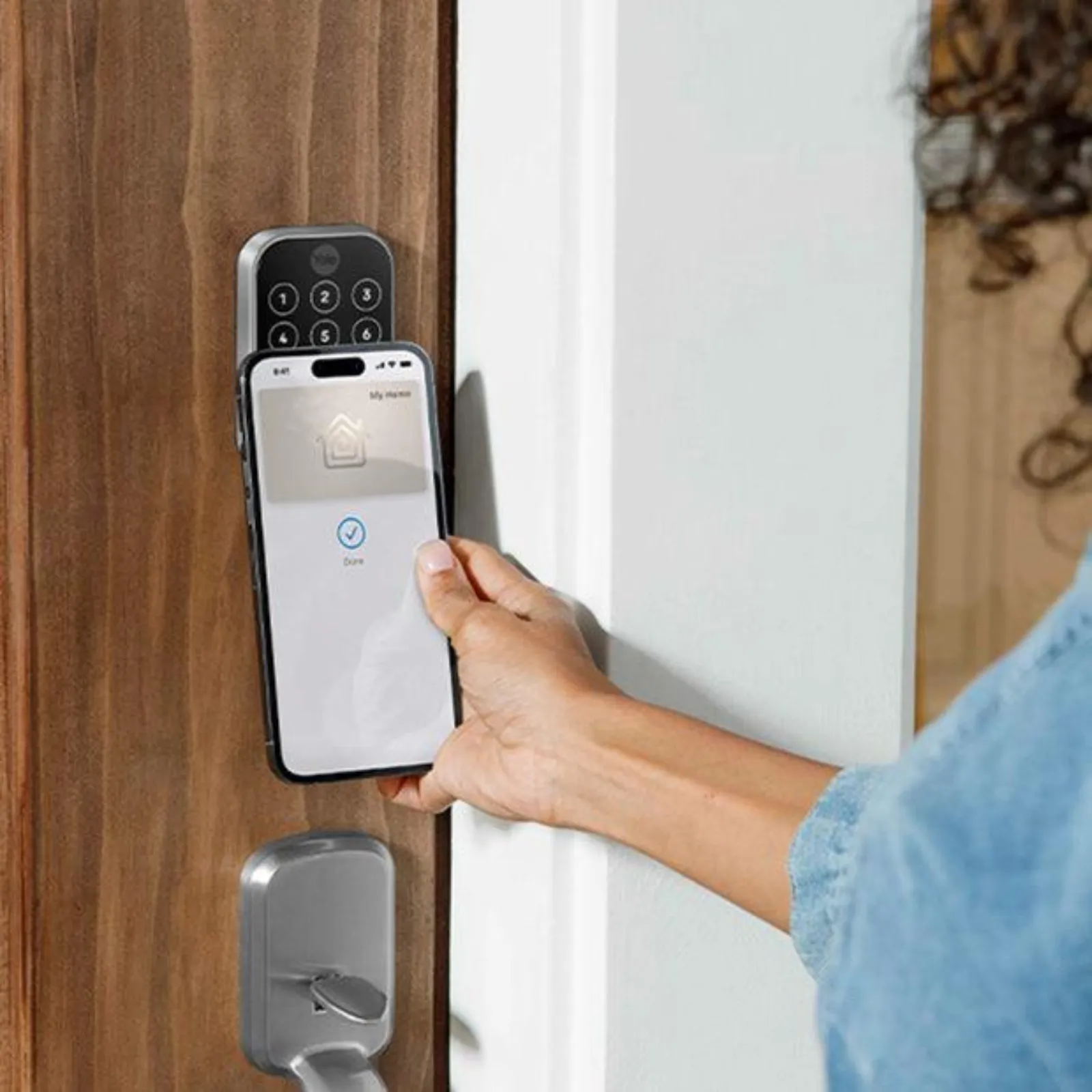
Mechanical keys are no longer the only way to enter your home, a hotel, or an office.
Modern electronic locks support digital passes, smartphones, NFC, and temporary access codes. An owner can remotely unlock a door for a guest or grant access for a specific period.
For the hospitality industry, this is particularly convenient: a digital key can be issued even before a guest arrives and automatically revoked after checkout.
However, electronic locks create new dependencies. You must consider battery life, software security, and the possibility of emergency manual override. Some models are capable of working without the internet, but this depends on the specific design.
What will change by 2030: the smartphone will become a more common key for apartments, cars, and workspaces. Mechanical keys will remain as a primary or backup option in many buildings.
9. Buttons and Manual Controls
The most massive change might not even affect individual devices, but the very way we interact with technology.
Today, a user manually sets the air conditioning temperature, turns on the lights, and selects a washing machine cycle. Tomorrow, part of these actions could be performed automatically, taking into account habits, occupancy, and environmental conditions.
Systems integrating motion sensors, thermostats, lighting, and appliances already exist. The Matter standard is evolving toward more seamless interoperability between devices from different manufacturers. In version 1.6, released in June 2026, additional features for configuration and contextual control were introduced.
The next stage involves AI assistants capable of understanding user intent, rather than just pre-programmed commands.
However, automation must remain controllable. For safety, precise tuning, and professional tasks, physical buttons, switches, and manual controls will remain necessary.
What will change by 2030: some household tasks may occur without direct human involvement. Appliances will not only execute commands but also suggest solutions based on context.
Why the disappearance of physical technology does not always mean progress
The overall development vector is clear: more and more physical functions are being consolidated into a few digital devices.
The smartphone is simultaneously becoming a wallet, a key, an ID, a remote control, and a communication hub. This reduces the number of individual items, but increases the consequences of a single device or service failure.
Losing your phone could mean more than just losing connection; it could mean difficulties with payments, home access, and identity verification. A cloud infrastructure failure can simultaneously impact many services that appear to be independent at first glance.
There is also the issue of digital accessibility. Not all users are ready to constantly upgrade smartphones, use biometrics, or trust their personal data to cloud platforms.
Therefore, the future will most likely be hybrid.
If you are interested in the topics of AI, technology, and the future—welcome to my channel to discuss and share updates.
Translated from Russian. Original on vc.ru: Девять привычных технологий, которые могут исчезнуть к 2030 году. Запомним этот твит?