OpenAI caught its own engineer wiretapping. AI helped crack the case!
OpenAI, San Francisco, engineer wiretapping, recording device, encryption, FBI investigation, protecting AI technology

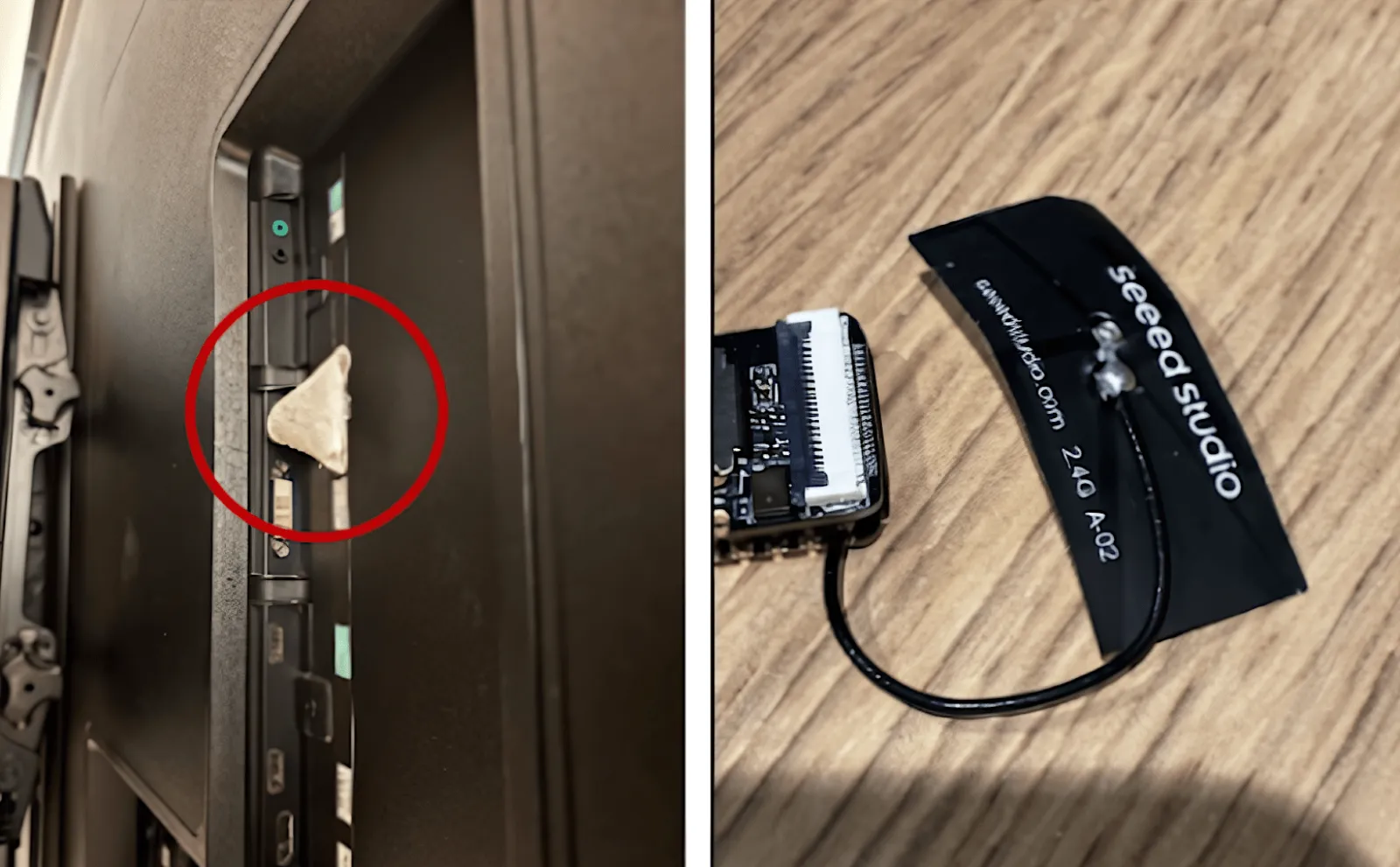
A hidden audio recording device was discovered behind a TV in an executive conference room at OpenAI's San Francisco office. According to investigators, the device was installed by a 35-year-old company engineer. The FBI arrested him on October 9, 2026, and on October 13, the U.S. Department of Justice announced criminal charges.
A bug behind the TV and a second one in a bag
According to the indictment, the first device was found on September 30. It was plugged into a USB port on the back of a TV in a conference room where sensitive technical and commercial issues, product plans, research, and government relations were discussed.
The device was discovered hidden inside a roll of toilet paper. The memory contents were encrypted, so based on published information, it is impossible to determine exactly which conversations may have been recorded and transmitted.
The investigation progressed on October 5.
Security cameras captured the engineer entering the conference room and peering behind the TV. That same day, security personnel found an unattended bag containing his documents, wallet, and a second similar recording device. Investigators allege the engineer was not authorized to participate in meetings in that specific conference room.
How did digital footprints lead investigators to the employee?
The most unusual part of the case involves a history of AI queries.
According to the indictment, between September 24 and September 30, a chatbot account linked to the engineer's wife sent queries regarding creating a continuous audio recorder, setting up Wi-Fi, improving recording quality, remote monitoring, and encrypting an SD card.
Investigators claim the account was linked to the engineer through shared identifiers and other indicators.
<<0xA0>p>The matching of technical parameters proved particularly critical.According to case files, queries on September 27 and 28 mentioned a unique MAC address and a specific header that matched the characteristics of the discovered device.
OpenAI described the find as a sophisticated recording device featuring encryption and remote data transmission capabilities. According to the company, the hardware included audio monitoring functions and a transmission mechanism designed to evade detection.
However, a detailed, independent technical analysis of the device has not been made public, so it is premature to call it unique or particularly advanced.
There is a striking contrast in the case. The electronic component of the device was sophisticated enough to utilize encryption and wireless communication, yet physically, it was hidden behind a TV inside toilet paper.
The second device, according to the indictment, was found alongside the alleged installer's documents. However, this negligence alone does not prove that the device successfully transmitted any recordings to third parties.
Were OpenAI's secrets stolen?
At the time of publication, the company stated it found no evidence of unauthorized access by the suspect to model weights, source code, or customer data. This is a crucial clarification, but it is not equivalent to proof that no confidential information could have been recorded.
The device was located in a room where closed-door meetings were held, and its memory was encrypted.
The published indictment does not establish which specific conversations might have been recorded, who might have accessed the content, or whether the material was transmitted outside the device at all. Therefore, it cannot be claimed that OpenAI's secrets were stolen. However, there is currently no basis to consider the question of potential recordings of confidential discussions officially closed.
Why did this become a matter of national security?
The U.S. Department of Justice directly linked the investigation to the protection of American artificial intelligence technologies. In a press release, the agency cited Presidential Memorandum NSPM 11, which aims to support U.S. technological supremacy in the field of superintelligence.
If you are interested in AI, technology, and the future—welcome to my channel to discuss and share updates.
Translated from Russian. Original on vc.ru: OpenAI поймала собственного инженера с прослушкой. ИИ помог раскрыть дело!


