The global RAM shortage is worsening due to AI; prices could rise by up to 8%, and this is here to stay...
RAM shortage, PC price increases of up to 8%, HBM demand, AI's impact on the memory market, long-term memory contracts

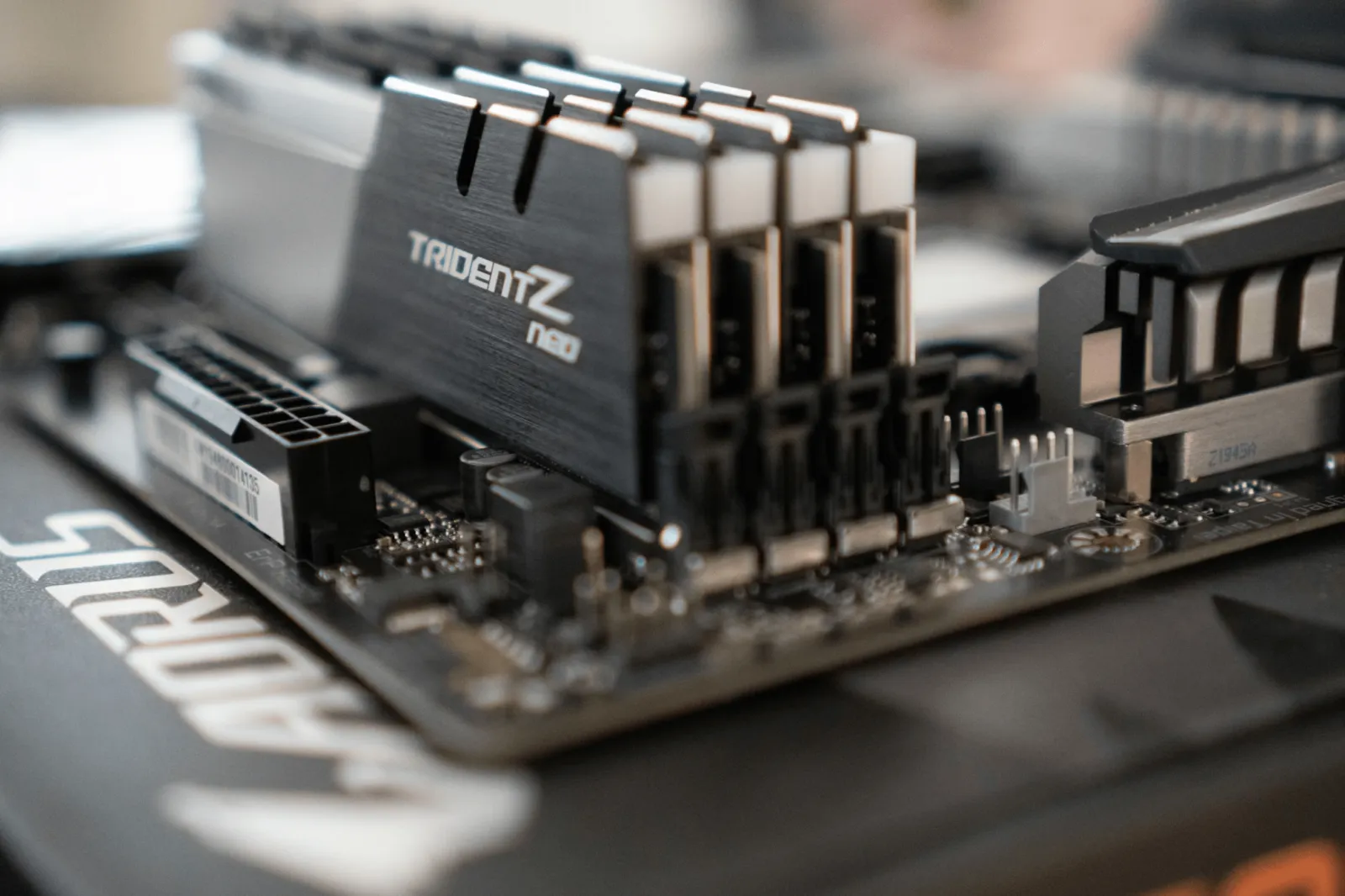
The current market expectation is that the memory shortage will persist for a long time, potentially until 2027. Analysts' forecasting scenarios for the electronics market suggest that average PC prices could rise by up to 8% in 2026, particularly in the budget segment.
AI is reactively devouring memory, not just GPUs
The key driver—demand for HBM—is high-speed memory placed alongside AI accelerators in data centers. This specific segment is currently hogging manufacturers' resources.
Why this hits standard RAM:
- production and packaging capacities are being redistributed in favor of HBM, because the margins are higher and demand is booked years in advance
- HBM is much more resource-intensive to produce; for the same amount of raw materials and production lines, you get fewer gigabytes than with mass-market DDR memory
- major clients, cloud providers, and AI server vendors are locking in volumes in advance, essentially buying up future supply
Why aren't manufacturers ramping up production quickly?
From the outside, the solution seems obvious: build new fabs and increase output. In practice, it's not that simple.
A new fab requires massive investment and years of construction. The memory market is historically cyclical; after periods of oversupply, prices crash, so companies try to avoid repeating past mistakes.
Right now, demand for HBL and server memory is so steady that companies prefer to direct their investments there, rather than maximizing the output of consumer-grade products.
Secondary factors
Data centers are applying pressure on two fronts
AI infrastructure consumes not only HBM but also a large amount of standard server memory. This intensifies the competition for capacity, as manufacturers must decide what to prioritize in production.
Long-term contracts shrink the free market
When buyers fear a shortage, they move toward 12–24 month reservations. This reduces the amount of memory available for open sale and drives up spot prices.
Device manufacturers find it easier to cut configurations than to maintain prices
This leads to a typical market pattern: base models receive less memory, making an upgrade to the next tier disproportionately expensive.
If you are interested in AI, technology, and the future—welcome to my channel to discuss and share updates.
Translated from Russian. Original on vc.ru: Мировой дефицит оперативной памяти обостряется из-за ИИ, цена вырастет ещё до 8% и это надолго...