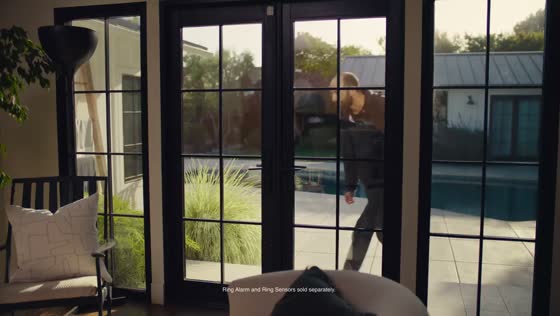
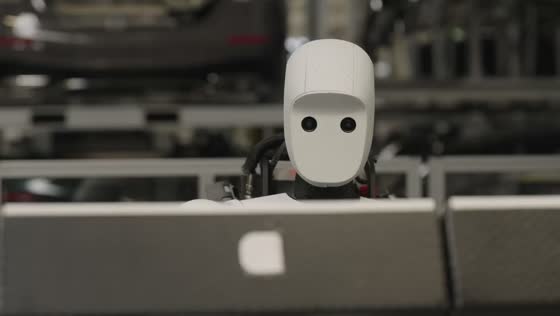
The X NEO humanoid housekeeper, currently learning how to do housework (and not doing a very great job just yet)
1X's NEO humanoid housekeeper: $20,000 pre-orders, controlled autonomy, training on real-world data, the future of robotics

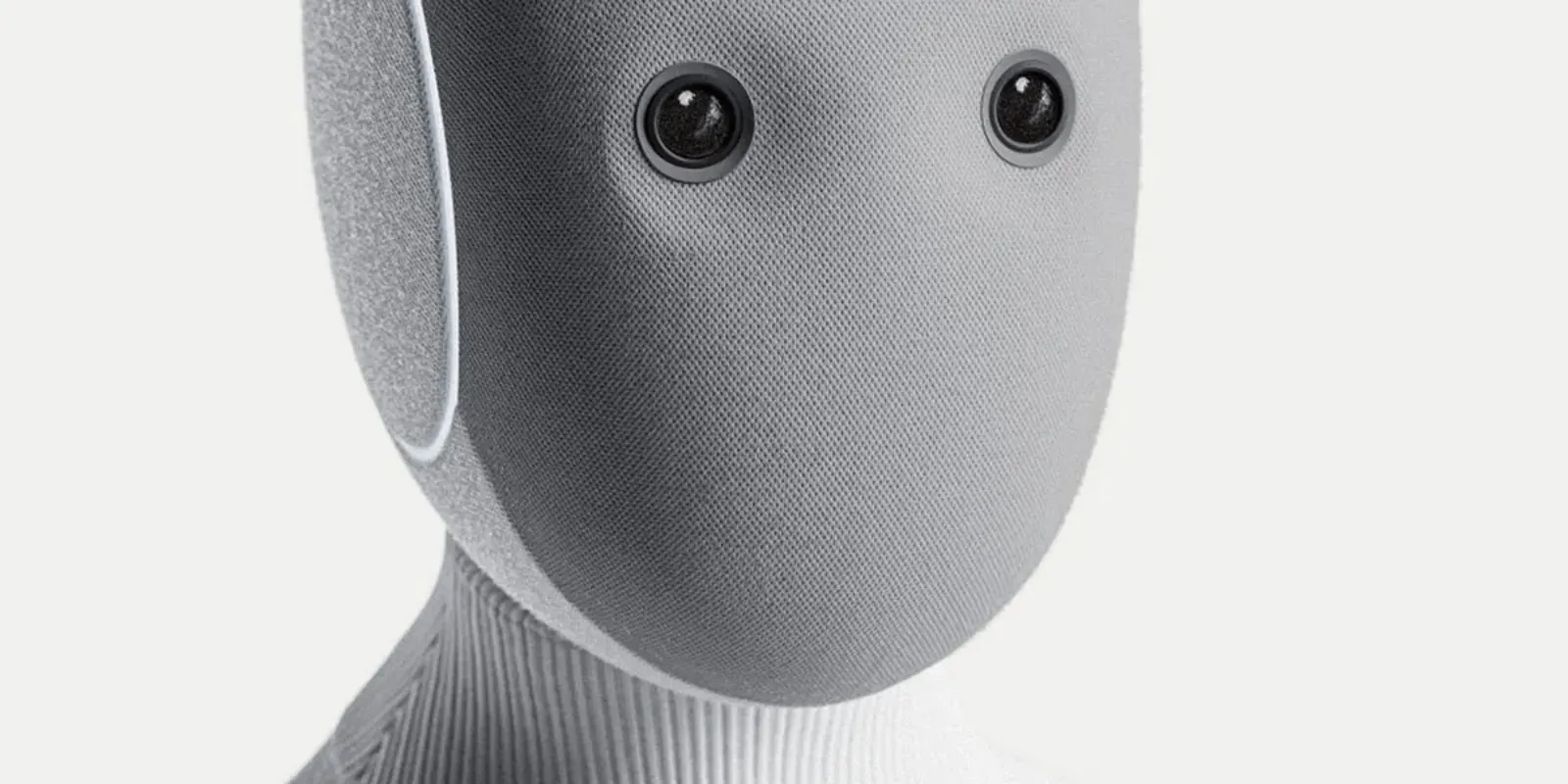
The dream of a domestic robot that takes over the chores has existed for decades. The washing machine taught us how to save time, and robot vacuums have become a staple in our homes. But the idea of a fully functional humanoid assistant remained firmly in the realm of science fiction.
1X has decided it's time to bring the future closer. The company has opened pre-orders for the NEO robot at a price of $20,000, promising that it will be able to do laundry, wash dishes, water plants, vacuum, and clean the house. Deliveries are expected in 2026. In the video, NEO looks like a frame straight out of a sci-fi movie.
But today's reality is much more grounded.
Promises VS Reality
If you only watch the promotional video, you get the impression that the humanoid is already ready to work autonomously. You just need to unbox it and turn it on.
During a journalist's visit to the 1X office in Palo Alto, NEO performed its assigned tasks under full remote control by an operator. Nothing she saw was truly autonomous.
1X founder Bernt Bernih admitted in an interview that while the robot is capable of acting autonomously, it is not yet at the level of quality a user would expect. Therefore, the company is introducing an 'Expert Operators' service—specialists who will take over control in cases where the robot is not yet managing on its own.
Even the promotional clip, as tech bloggers have noted, is edited in a way that only certain actions are explicitly labeled as autonomous. The rest, judging by the camera angles and the nature of the movements, was performed under human guidance.
Why did 1X release a product too early?
Because the company needs NEO much more than the family that pre-orders it does.
To create functional behavioral models for domestic robots, massive amounts of data are required. For language models, the internet provided this data. Robotics, however, lacks such a source. Simulations help, but they cannot replace real homes filled with clutter, pets, and unpredictable daily scenarios.
1X is using the same strategy as Tesla did for training Autopilot. Every car collected data over millions of kilometers. Now, every customer's home will become a data source for training domestic robots.
In other words, pre-order customers are essentially becoming participants in an open beta test. Their homes are the new training sets for domestic humanoids.
There is also a second, financial motive. According to The Information, the company is preparing an investment round of up to $1 billion at a $10 billion valuation. A successful launch of NEO would provide 1X with crucial leverage for investors: proven demand and unique data.
What exactly is 1X selling?
Online discussions show that the public reaction to the gap between advertising and reality is mixed. Marques Brownlee released an emotional sixteen-minute video that garnered over five million views. Commenters noted that the robot looks both strange and unsettling, and that the promo feels like the beginning of a Black Mirror episode.
But the mass audience is not the company's target.
1X is targeting wealthy tech enthusiasts who are willing to pay twenty thousand dollars for an experimental device and sacrifice some privacy for access to next-generation technology. If there are enough such buyers, the company will secure two key resources: a stream of training data and a market signal for investors.
1X isn't selling a housekeeper. It's selling a dream. A vision of a near future where robots quietly clean the house, water plants, and handle chores. That future hasn't arrived yet. And in its current form, NEO is not a finished product, but a step on the path.
Is it worth waiting for a domestic robot right now?
The CEO of 1X warns early buyers that the road will be bumpy. The company hopes that over time, such robots will become so useful that the mass market will accept them as a matter of course.
But the expectations and requirements for humanoid robots are much higher than for standard household appliances. They must be not only functional but also safe, predictable, and trustworthy.
Today, NEO is not the robot that will fold your laundry or wash your dishes for you. It is a device that is teaching its future versions how to do so. And perhaps that is its most human quality.
Would you let an experimental humanoid robot into your home if it doesn't work autonomously yet? Why or why not?
Do you think it's acceptable that a twenty-thousand-dollar robot is largely controlled by operators?
If you are interested in AI, tech, and the future—welcome to my channel to discuss and share updates.
Translated from Russian. Original on vc.ru: Гуманоидный домработник X NEO, который пока что учится домработать (и пока не очень получается)